
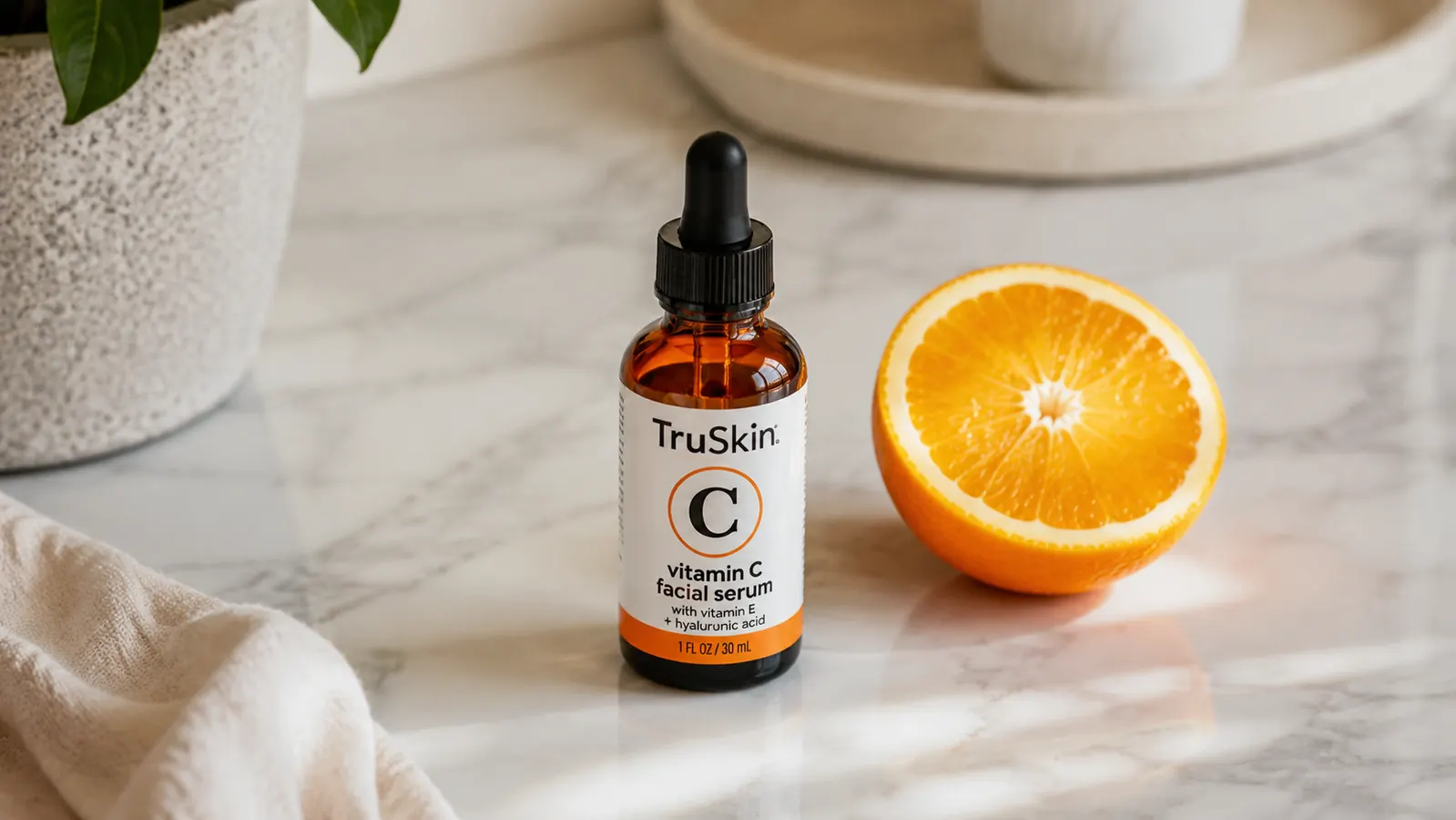
Skincare - Vitamin C
TruSkin Vitamin C Serum: What Happens After 4 Months of Daily Use
Lena wore it every morning under SPF, here is what her skin actually looked like at the 30-day, 60-day, and 4-month marks.
A first-person account of adding a drugstore retinol serum to a simple nighttime routine, and what changed by week six.
Lena wore it every morning under SPF, here is what her skin actually looked like at the 30-day, 60-day, and 4-month marks.
The texture is thicker than you expect, the smell fades fast, and the brightening takes longer than the packaging implies. Lena breaks it all down.
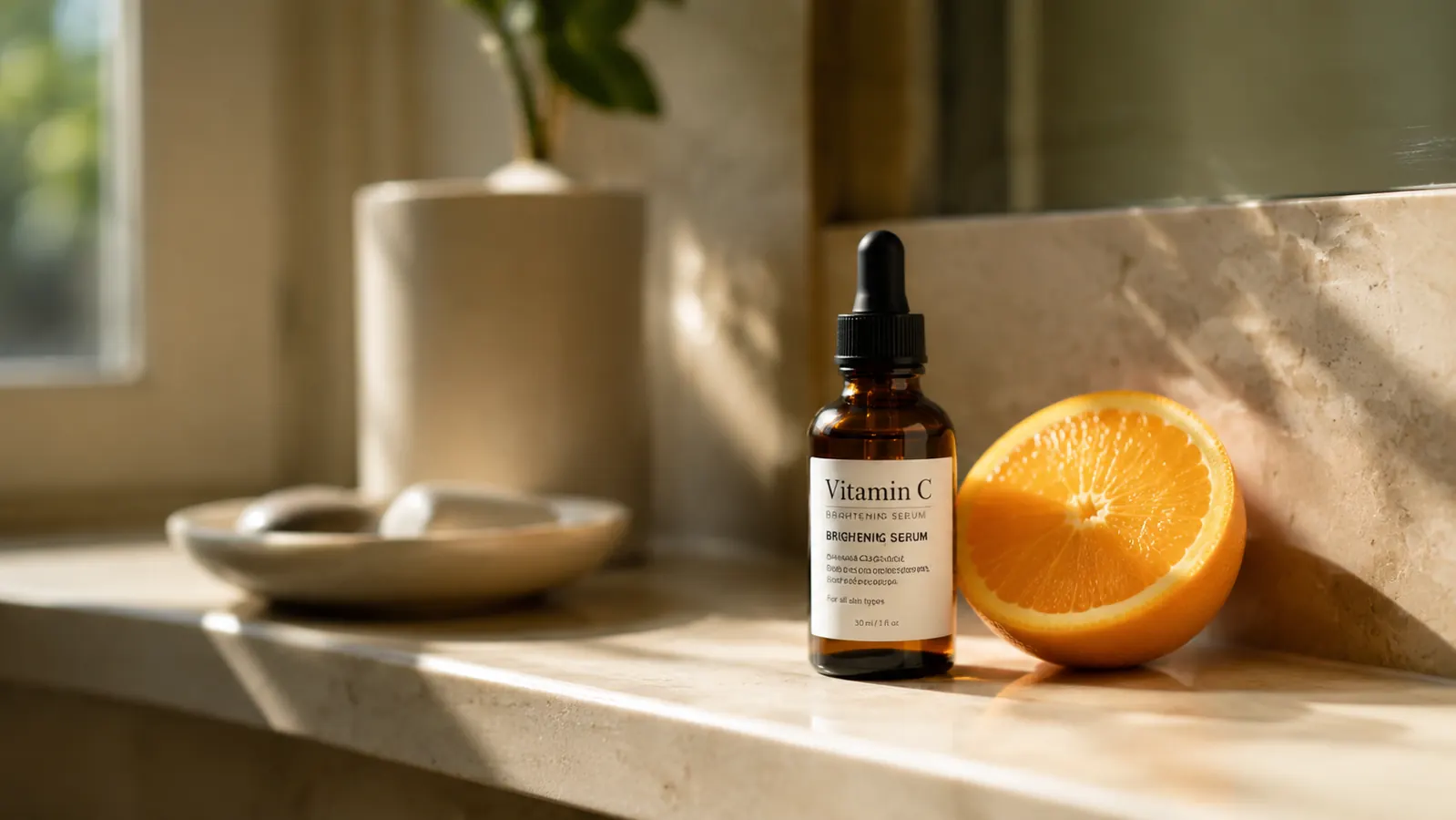
From fading dark spots to smoothing texture, here are the ten skin-level changes a stable vitamin C formula actually delivers.
Both are mid-range, beloved on Reddit, and under $40. Here is where they differ, and which one holds up for sensitive and oily skin types.

A first-person story about committing to a vitamin C serum for the first time and what changed in the first 30 days.
Step order, what to avoid mixing with vitamin C, and the one mistake most people make that kills its effectiveness.
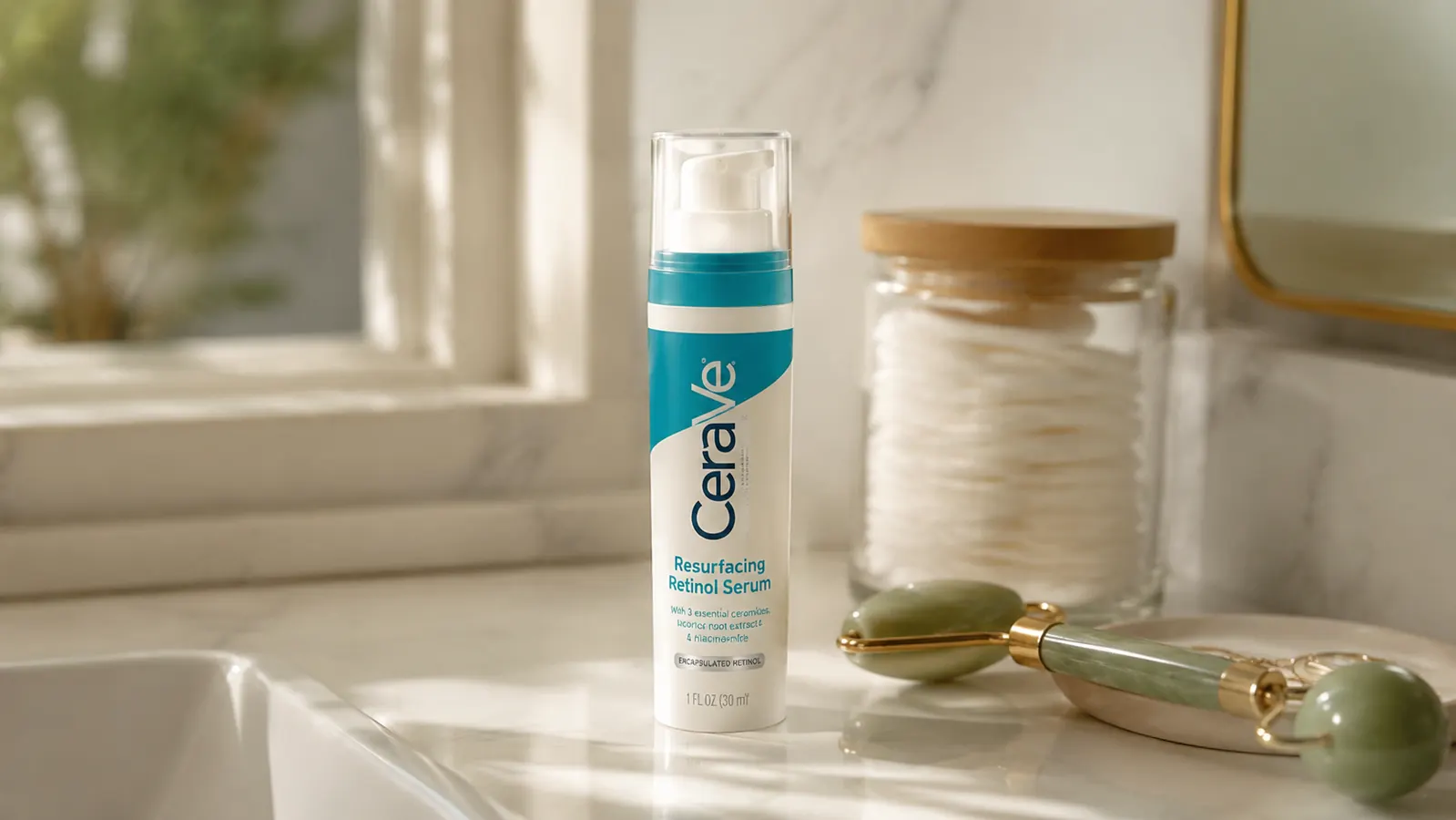
A slow-and-steady retinol introduction, a drugstore price tag, and the question everyone asks: does it actually fade post-acne marks?
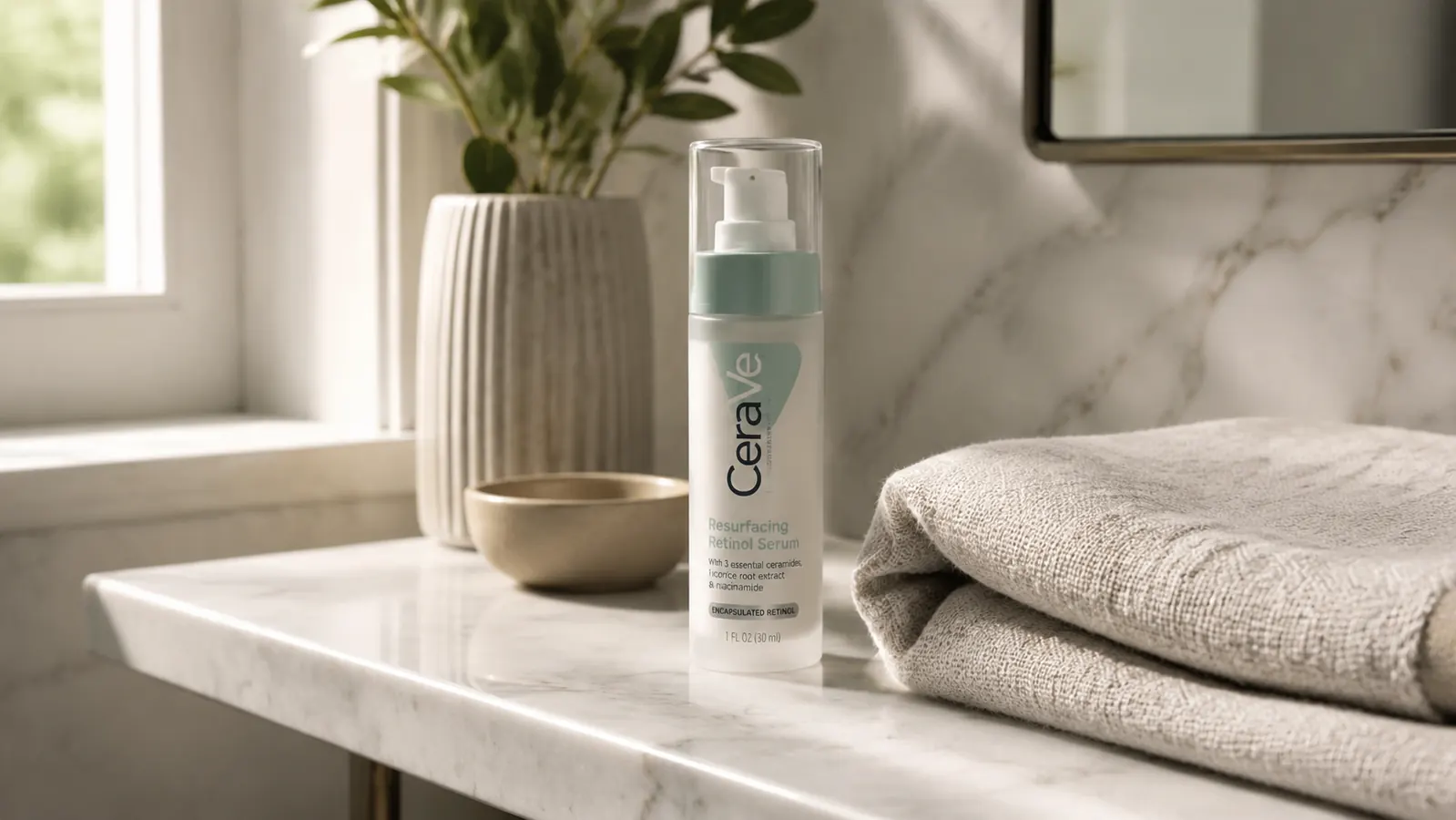
Yes, the price is hard to beat. But here is what the Amazon listing leaves out, including the purge period and who should avoid it.

Retinol works on dark spots in several ways at once. Here is what is actually happening under the surface.
Both are OTC, both are under $25, and both promise clearer skin. Here is the real difference between retinol and adapalene, and which one fits your goal.
A first-person account of adding a drugstore retinol serum to a simple nighttime routine, and what changed by week six.
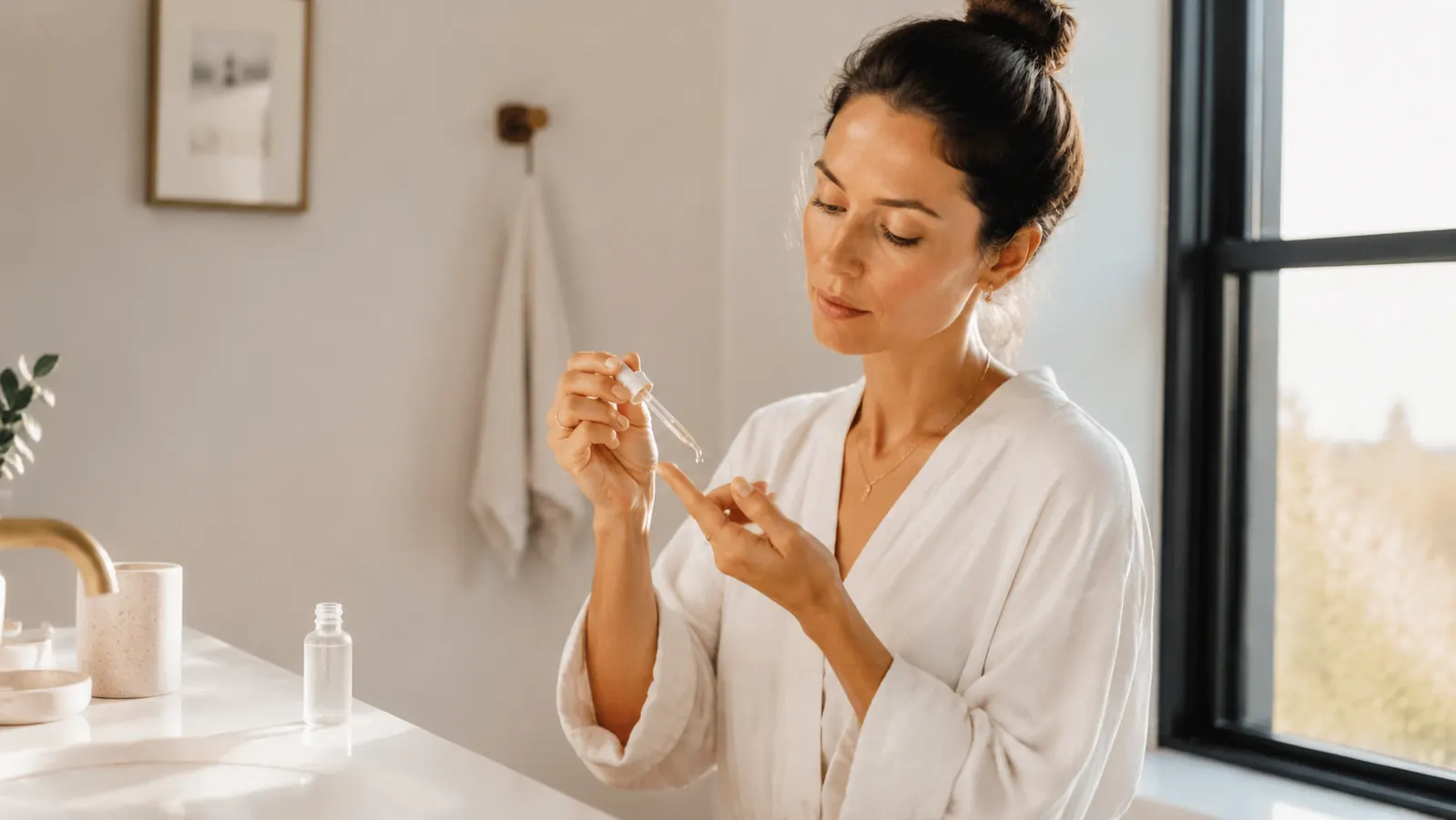
Frequency, buffering, pairing rules, and the purge timeline: a step-by-step intro for anyone who has been putting retinol off.
Over 49,000 Amazon reviews say yes. Lena tested it daily for three months on combination-sensitive skin to find out if the ceramide hype holds up.
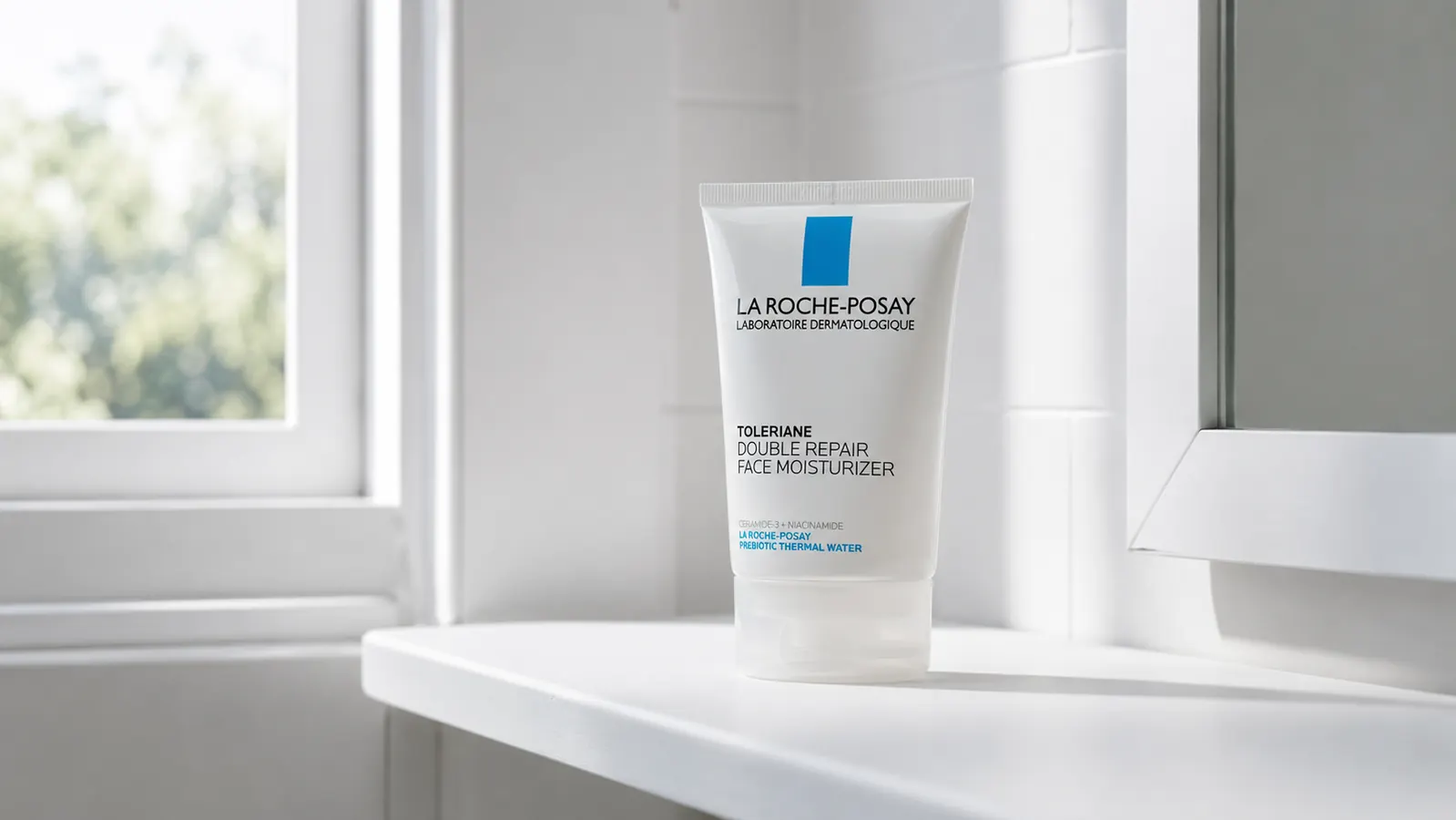
The formula is legitimately good, but it is not for everyone. Here is who thrives on it, who gets frustrated, and what to know before buying.
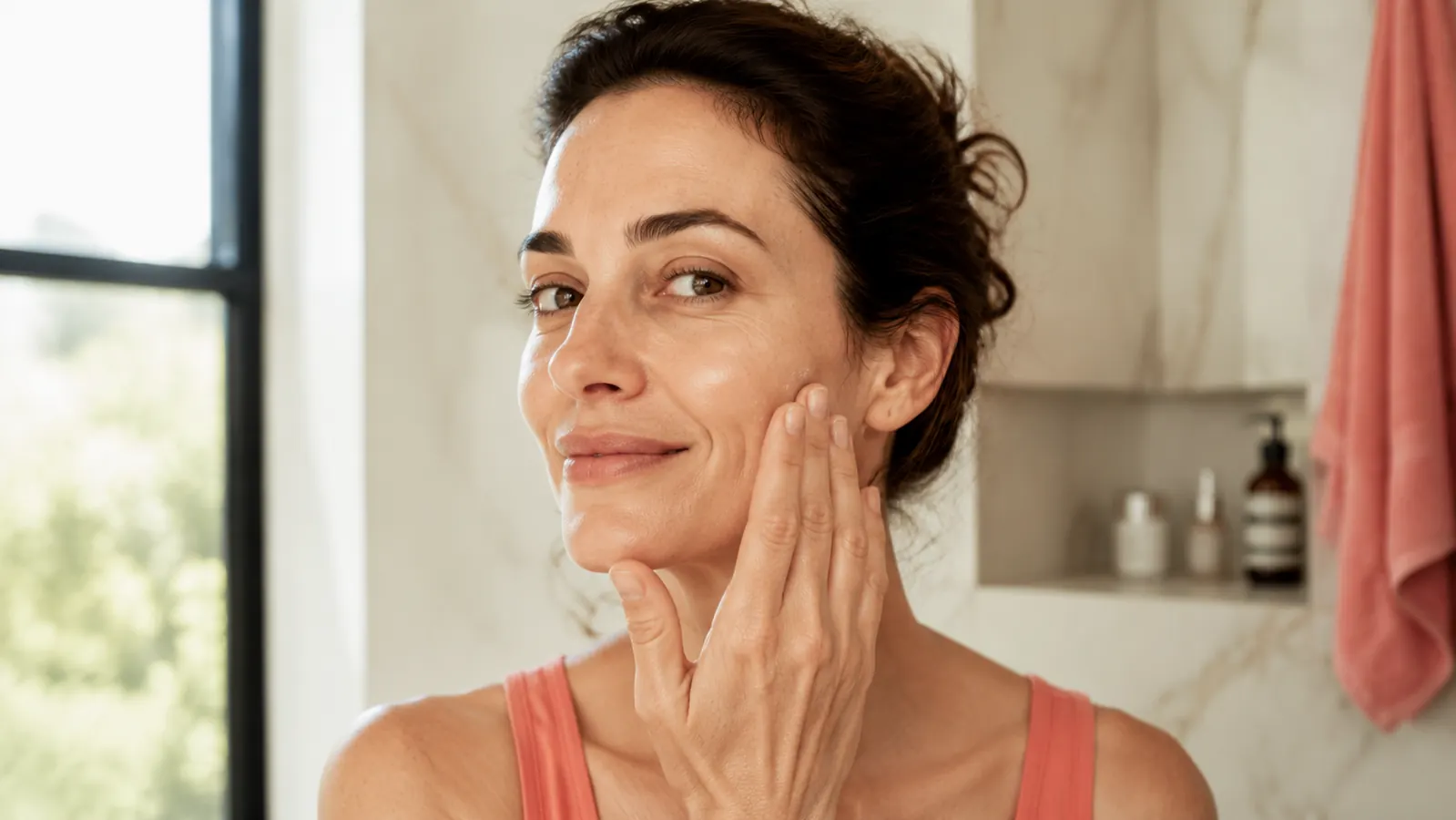
Ceramides are not just a buzzword. Here is exactly what they do at the skin barrier level, and why sensitive and reactive skin types respond so well to them.
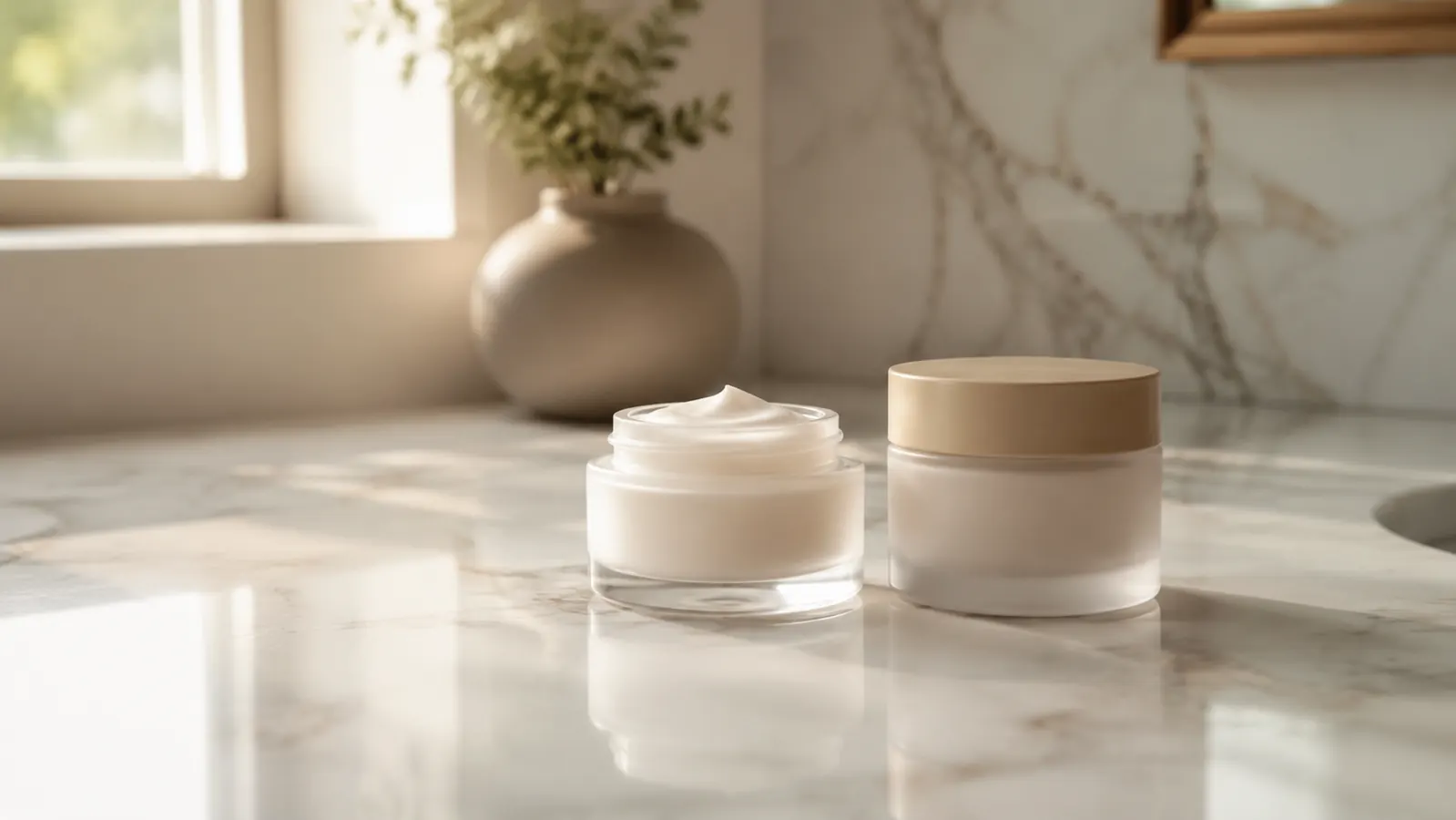
Both are dermatologist favorites. Both have ceramides. But they behave very differently across skin types, here is how to choose.

A first-person account of cycling through drugstore moisturizers and finally landing on the one that did not cause a reaction.
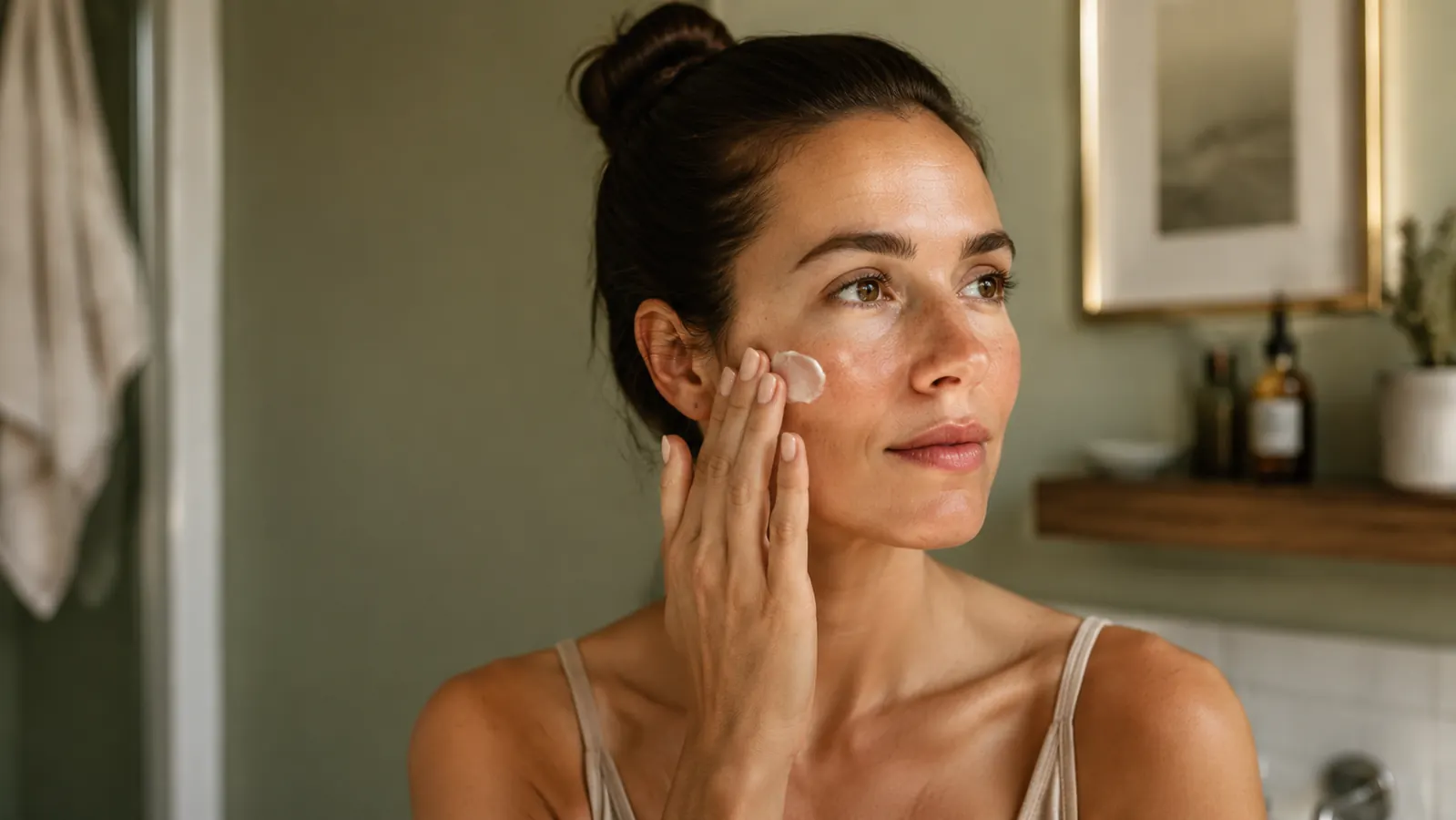
Over-exfoliation, harsh cleansers, and stress all break down your barrier. Here is how to repair it in a predictable, low-effort way.
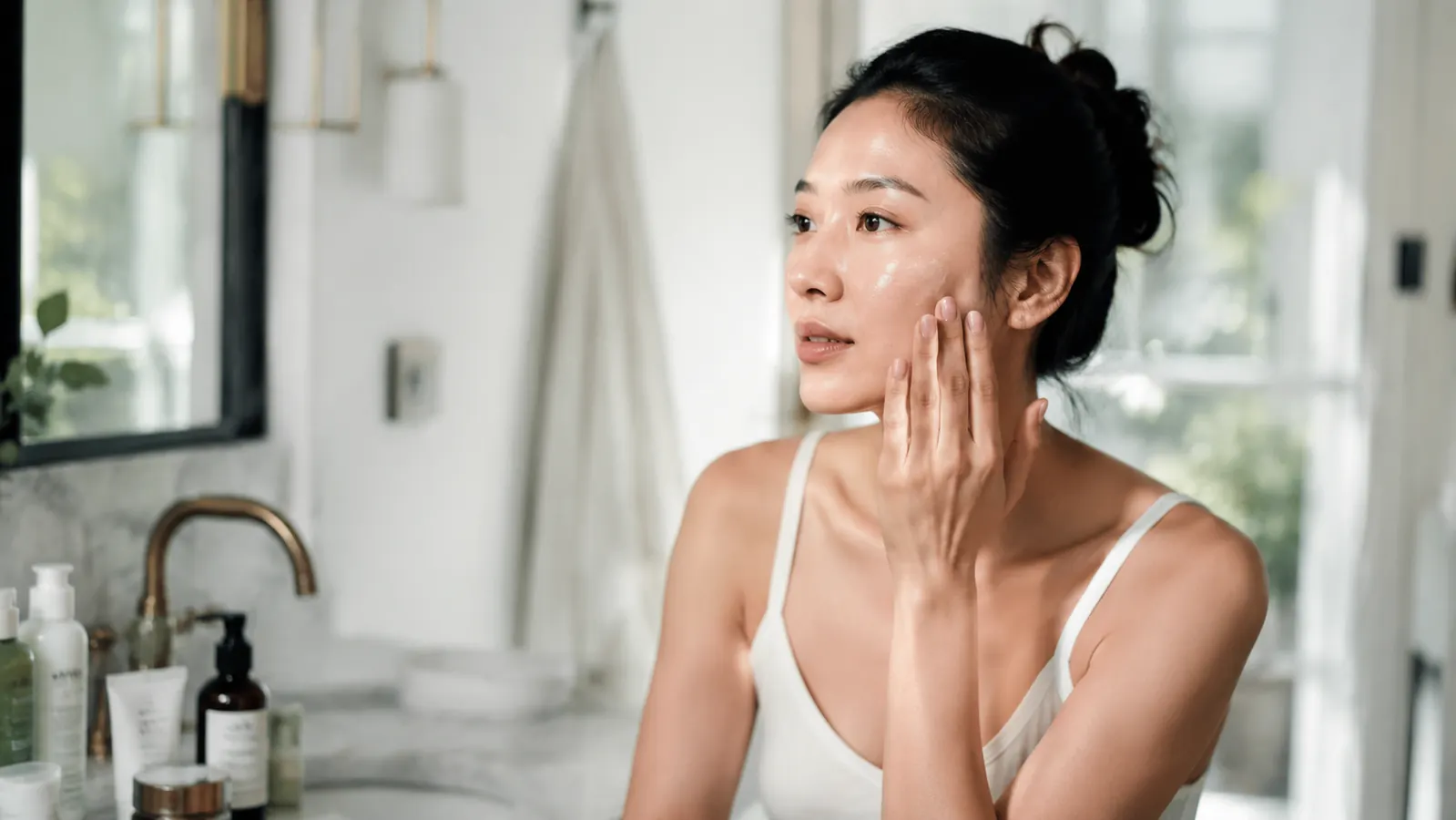
Lena wore it every morning under makeup and in bare-skin weekends for six months. No white cast. No midday grease. Here is what she found.
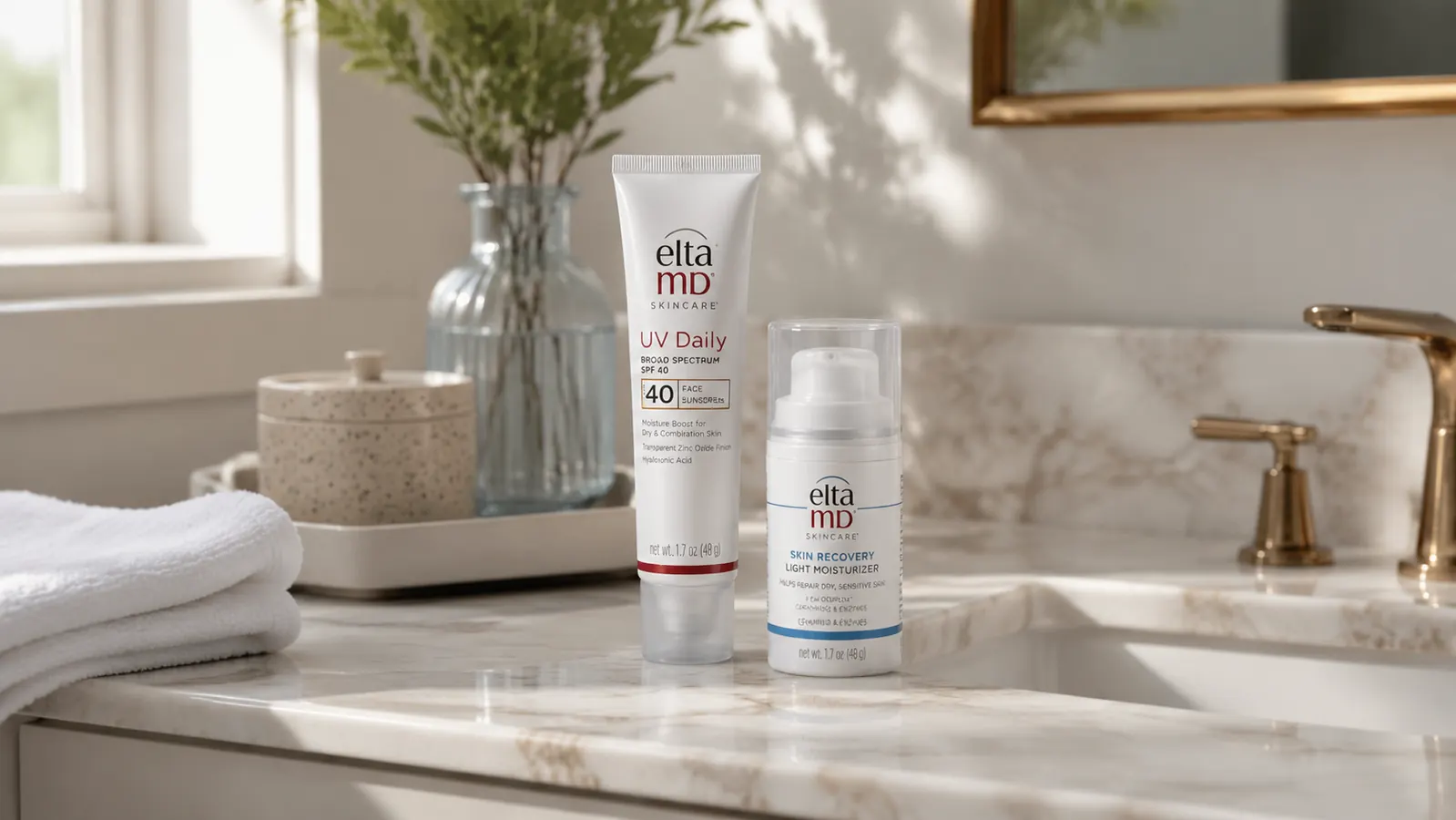
If sunscreen makes your skin look grey, feel greasy, or break out, this one addresses all three complaints. Here is the real story.
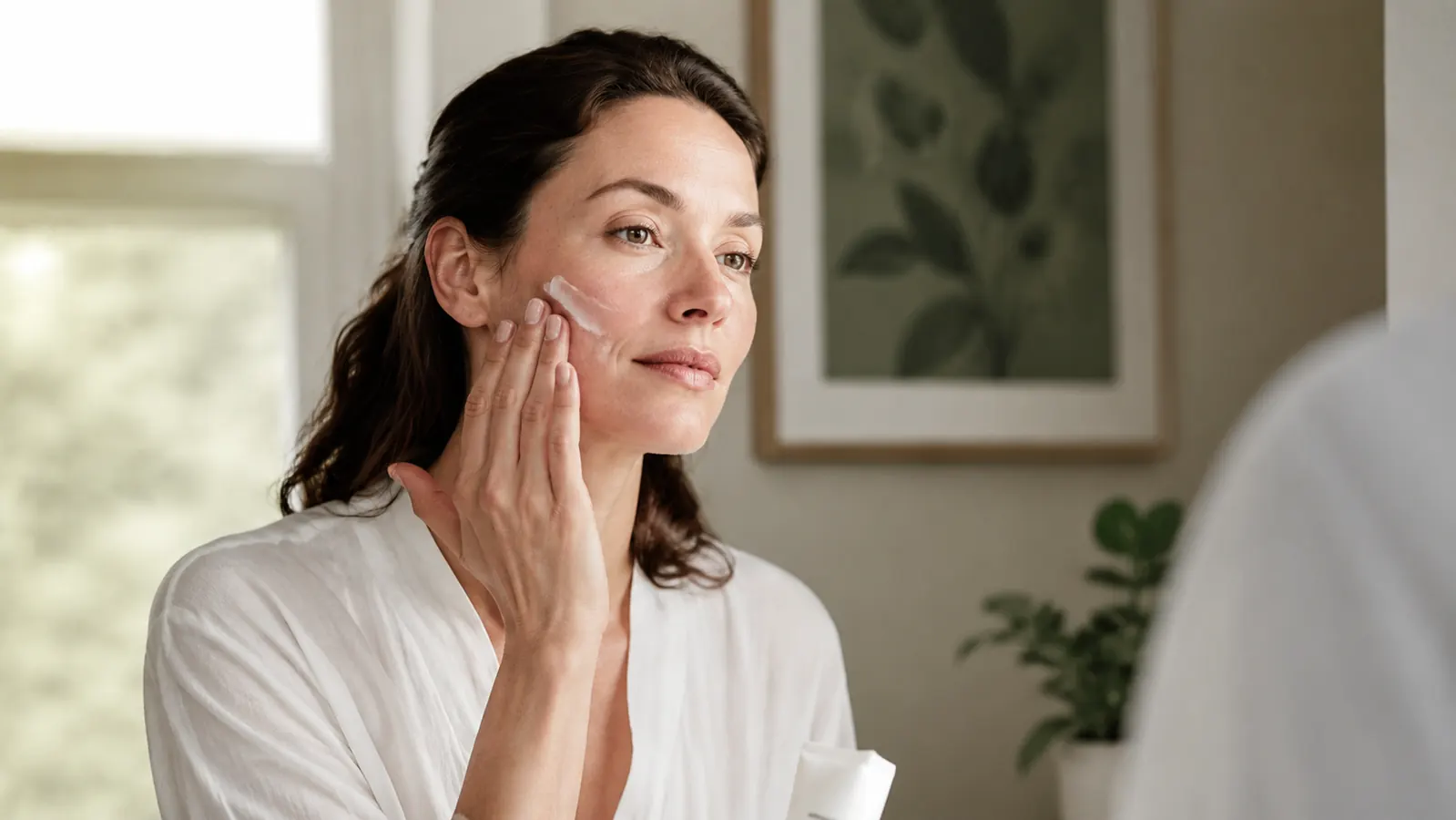
Mineral sunscreens have gotten a bad reputation for being chalky and thick. Modern zinc formulas have solved both problems. Here is why they win.
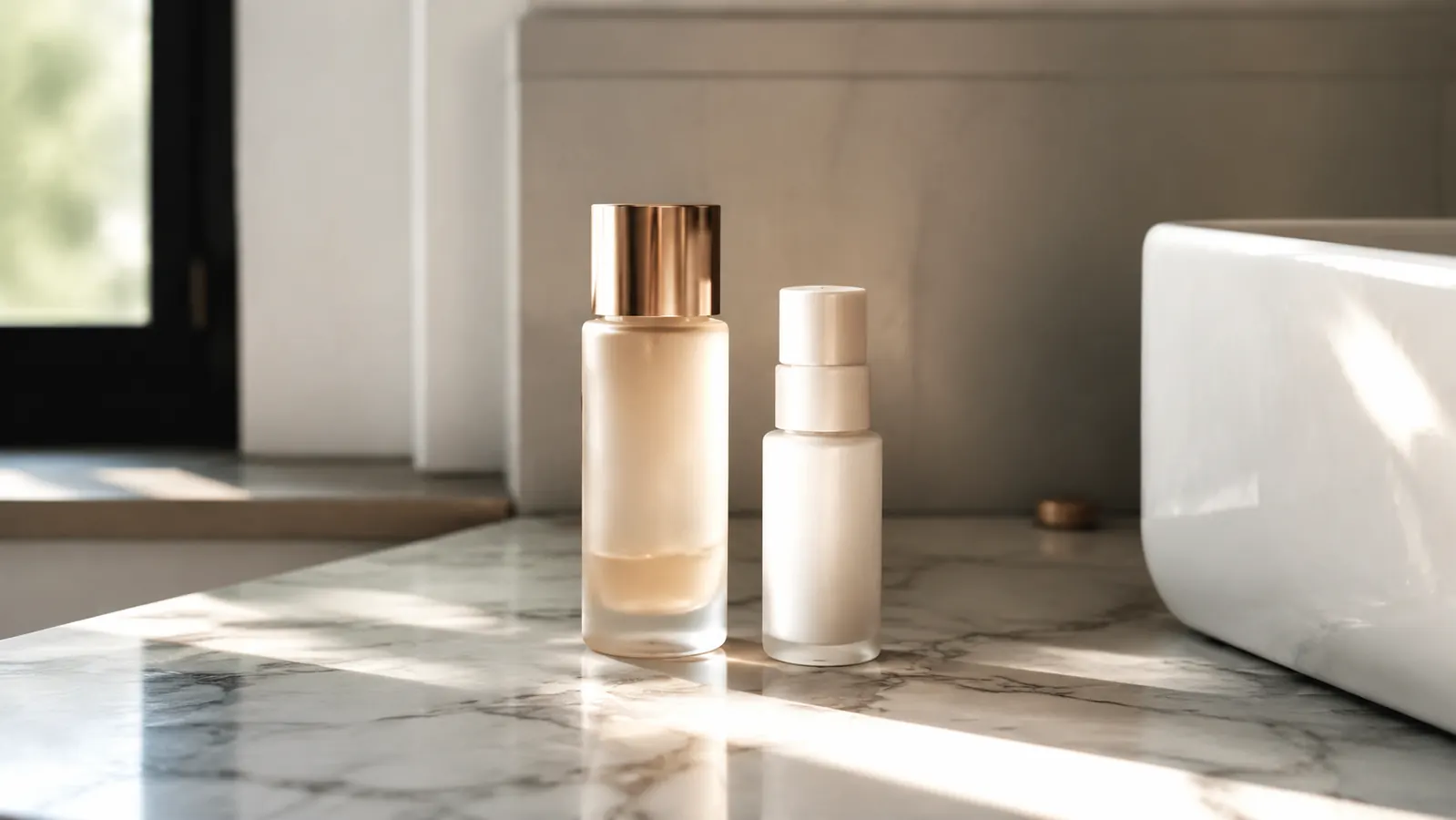
Both are cult-status SPFs. One is mineral, one is chemical. One is $45, one is $42. Here is what that difference actually means for your skin day to day.

A first-person account of finally building sunscreen into a daily routine after years of resistance, and what made the texture click.
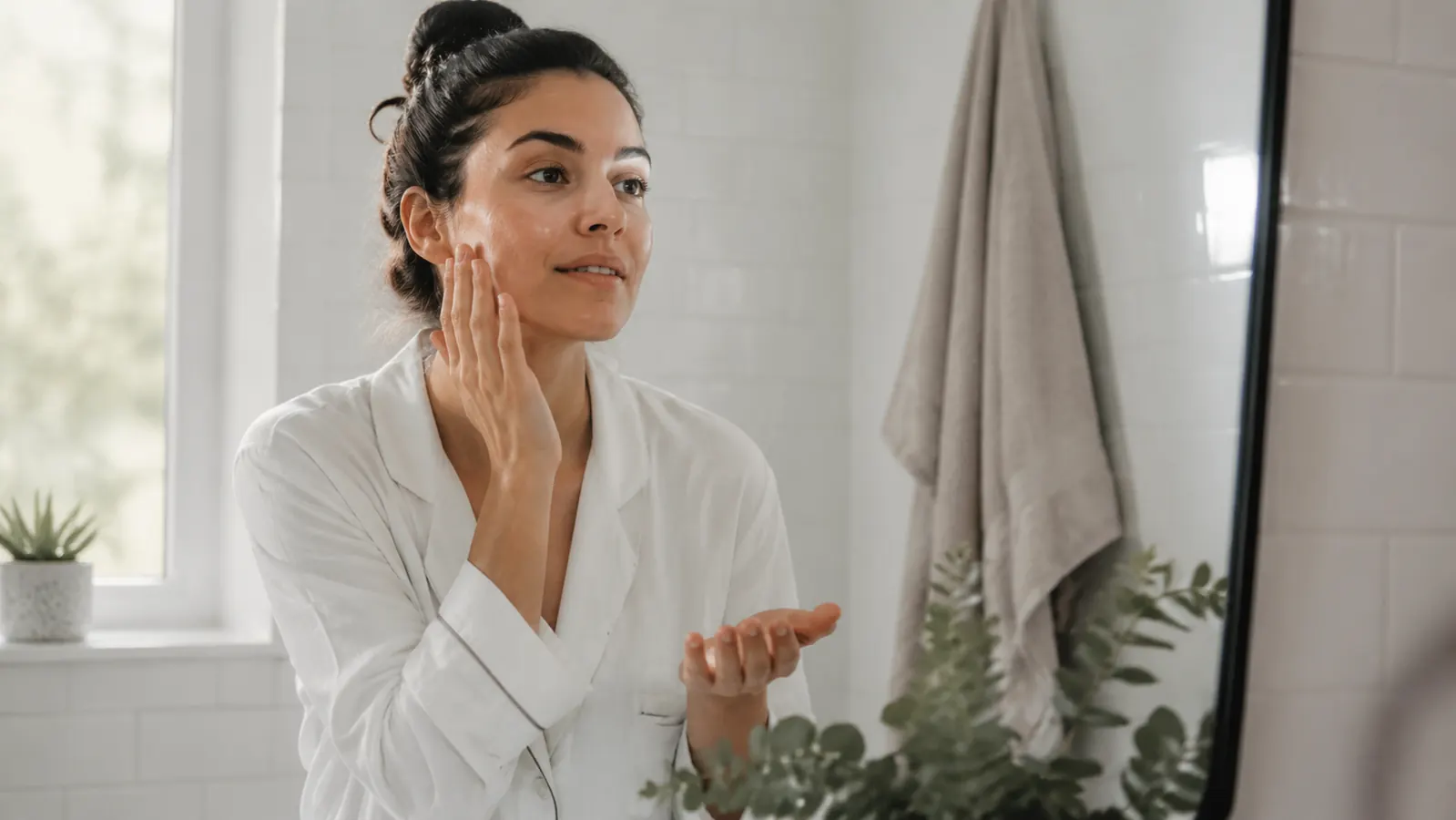
The resistance is real: greasiness, white cast, pill under makeup. Here is how to solve all of those problems so SPF actually becomes a daily habit.
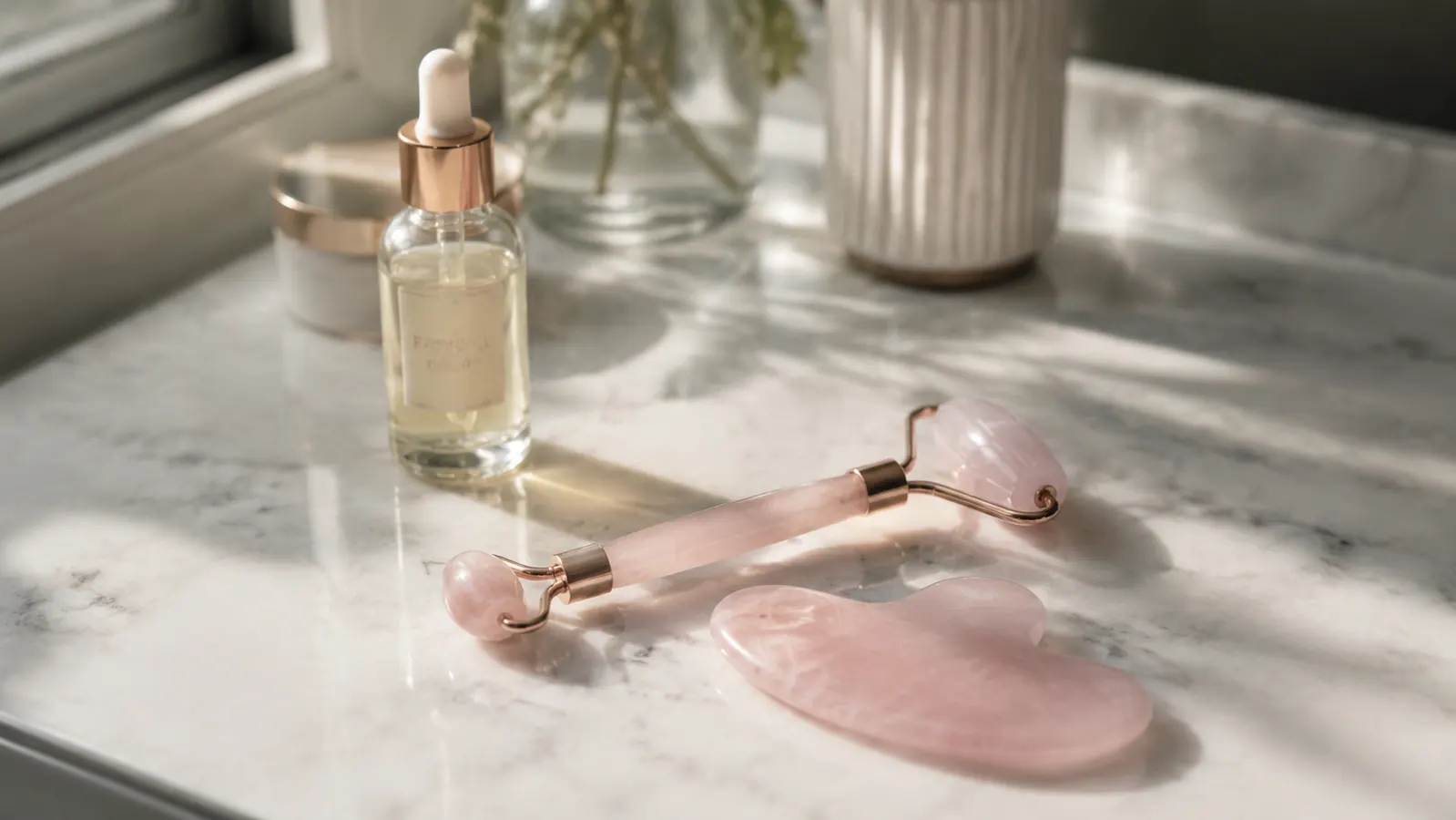
Is a $10 gua sha set worth adding to your morning routine? Lena ran the experiment for 90 days to find out what it actually does and does not do.
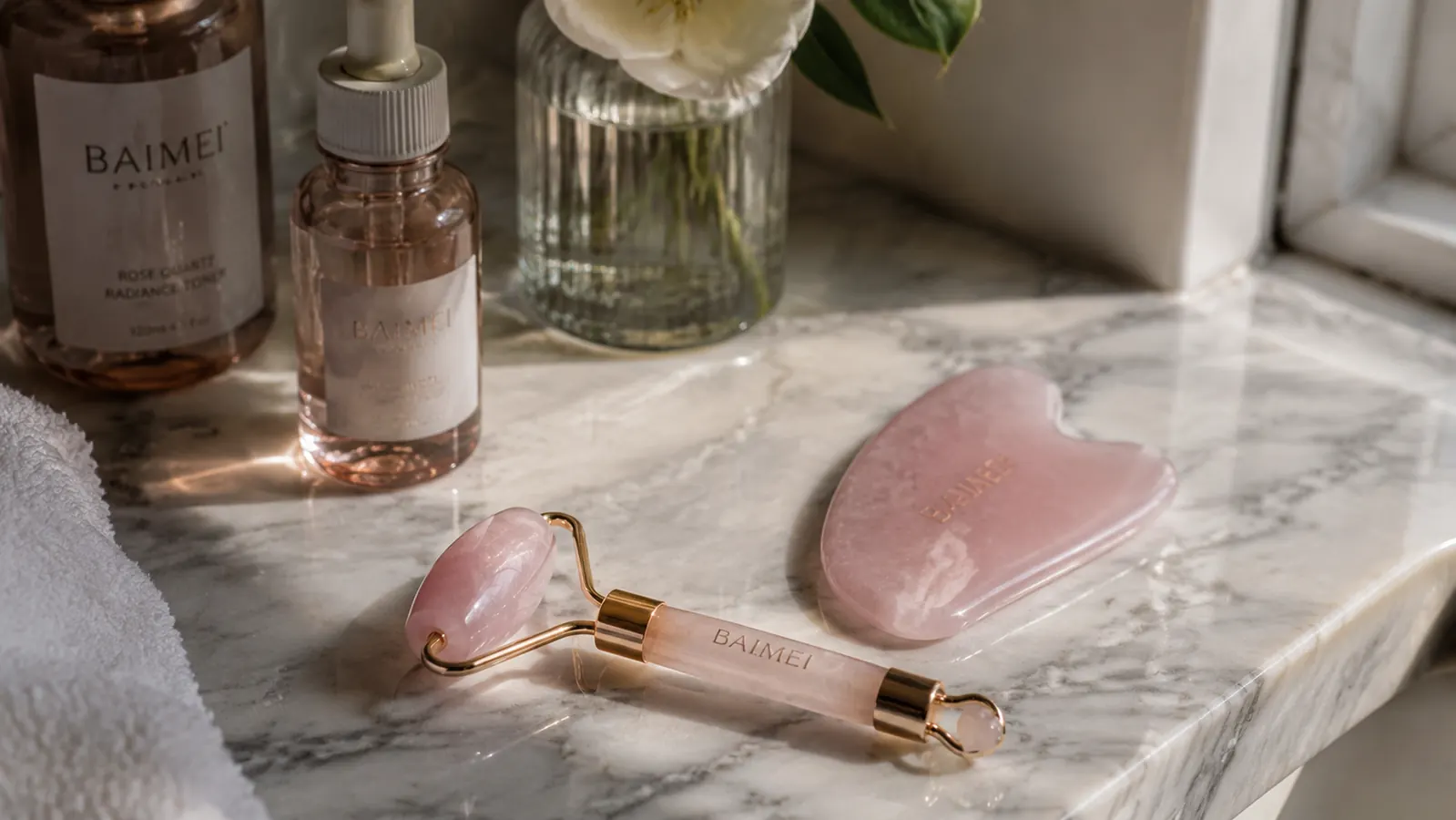
The TikTok version of gua sha looks magical. The real results are subtler but still worth having. Here is what you actually get from a $10 stone set.
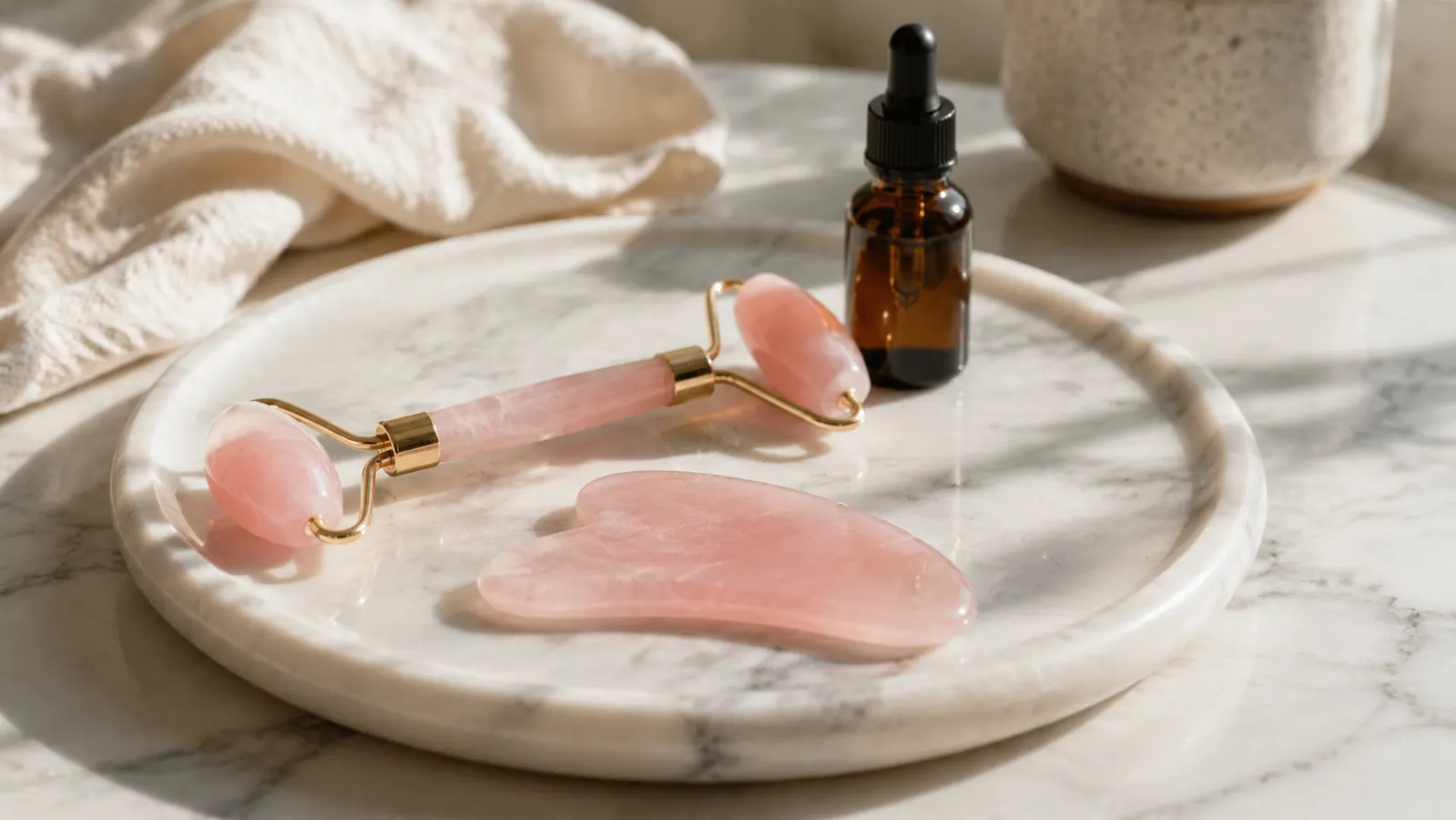
Beyond depuffing, gua sha helps with product absorption, jaw tension, and circulation. Here is what consistent use adds up to.
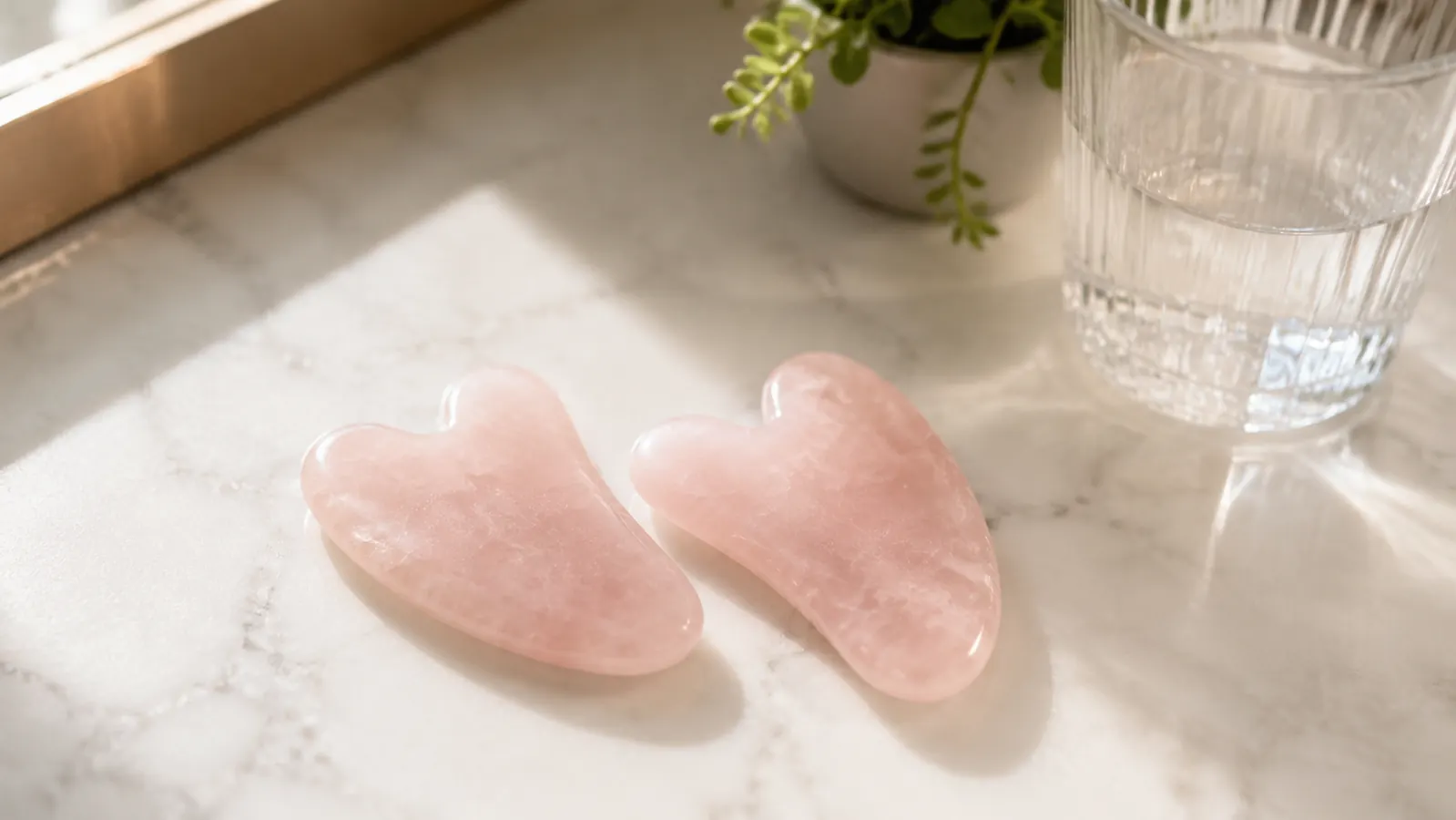
One costs $10, the other costs $42. Both are rose quartz. Here is whether the extra spend on a brand-name stone tool changes anything for your face.
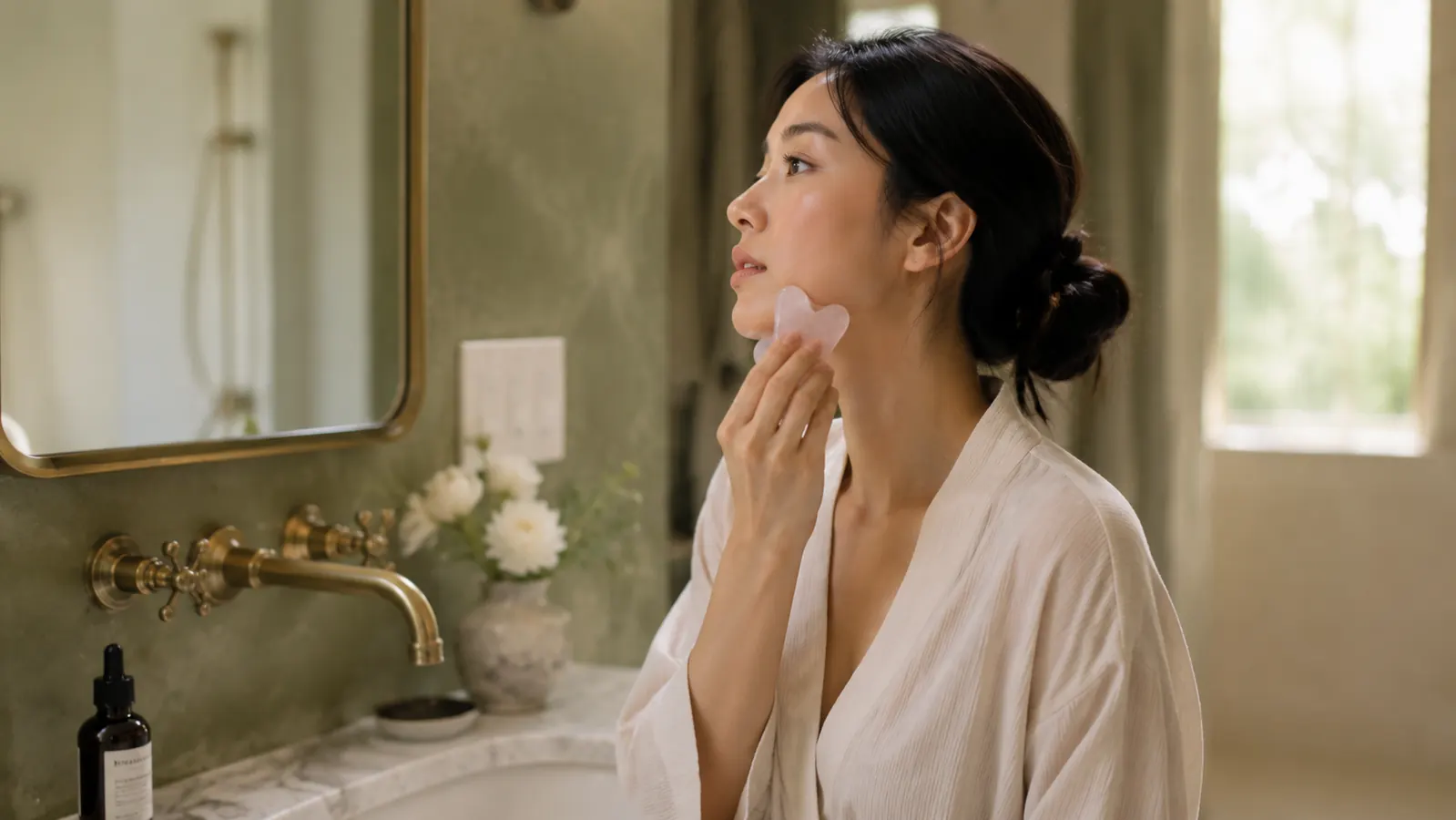
A first-person account of adding a gua sha stone to a standard morning routine for one month, including what changed and what did not.
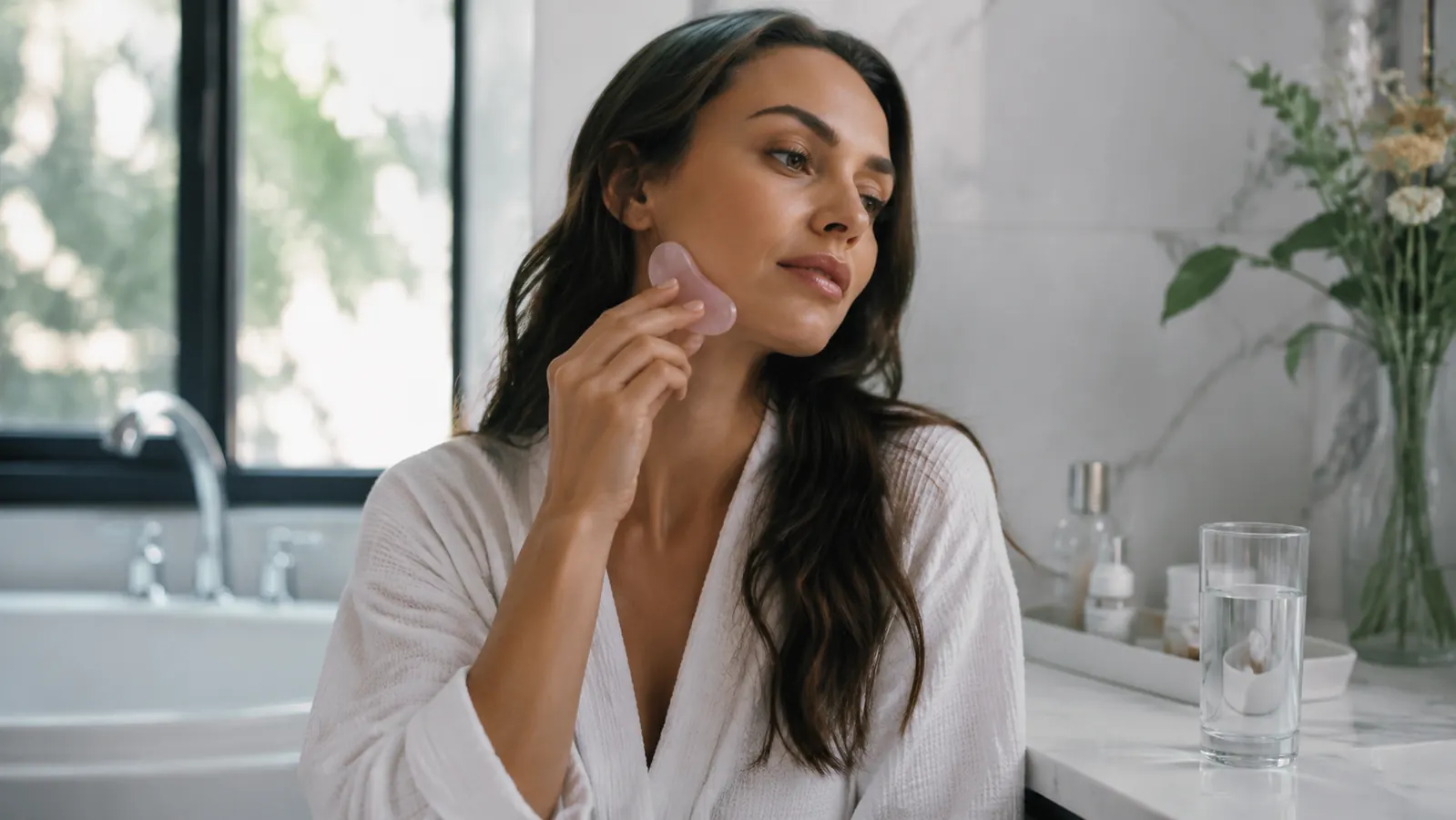
The strokes, the angles, the oil or serum underneath, and the pressure, here is the technique that actually works versus the one that does nothing.
Lena wore it every morning under SPF, here is what her skin actually looked like at the 30-day, 60-day, and 4-month marks.
The texture is thicker than you expect, the smell fades fast, and the brightening takes longer than the packaging implies. Lena breaks it all down.
A slow-and-steady retinol introduction, a drugstore price tag, and the question everyone asks: does it actually fade post-acne marks?
Yes, the price is hard to beat. But here is what the Amazon listing leaves out, including the purge period and who should avoid it.
Over 49,000 Amazon reviews say yes. Lena tested it daily for three months on combination-sensitive skin to find out if the ceramide hype holds up.
The formula is legitimately good, but it is not for everyone. Here is who thrives on it, who gets frustrated, and what to know before buying.
Lena wore it every morning under makeup and in bare-skin weekends for six months. No white cast. No midday grease. Here is what she found.
If sunscreen makes your skin look grey, feel greasy, or break out, this one addresses all three complaints. Here is the real story.
Is a $10 gua sha set worth adding to your morning routine? Lena ran the experiment for 90 days to find out what it actually does and does not do.
The TikTok version of gua sha looks magical. The real results are subtler but still worth having. Here is what you actually get from a $10 stone set.