
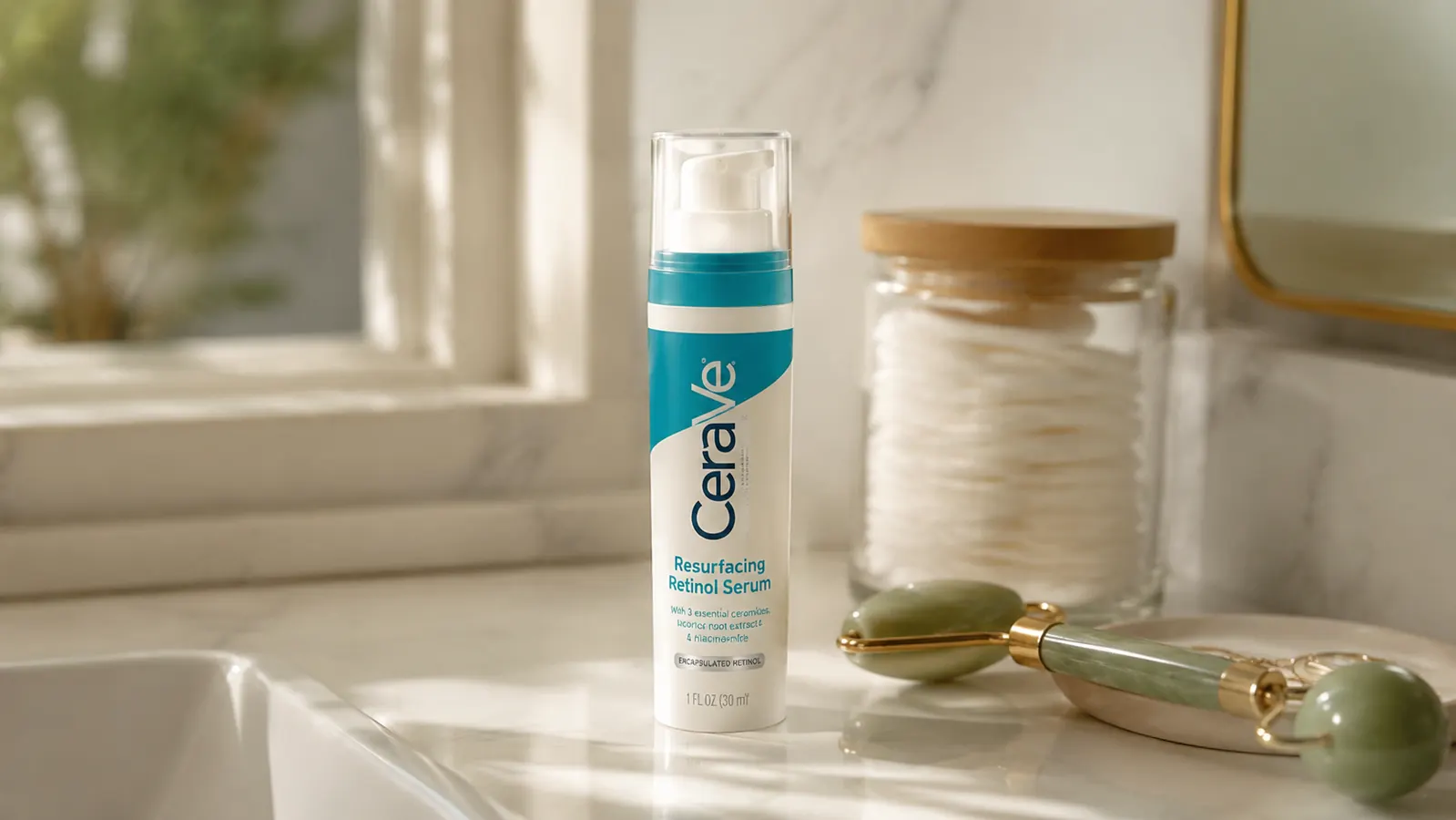
I have been using the CeraVe Resurfacing Retinol Serum for just over three months, and I started the same way I tell every client who asks about retinol for the first time: slow. Two nights a week for the first two weeks, then every other night, then nightly once my skin stopped complaining. I have combination skin with some post-acne hyperpigmentation along my jawline from a bad breakout stretch last winter, and I have tried three other retinol products in the past two years, so I am not coming at this cold. What I wanted to know was whether a drugstore retinol with a ceramide backbone could actually deliver the kind of sustained improvement I had seen from pricier formulas. Twelve weeks later, I have a real answer.
The short version: yes, it works. The longer version involves some patience, a brief and manageable adjustment period, and understanding exactly what this serum is and is not designed to do. If your main concern is post-acne marks and uneven texture rather than deep wrinkle correction, this serum is genuinely one of the better options I have tested at any price point. It has over 55,000 reviews on Amazon and a 4.6-star rating, and in my experience those numbers reflect a product that consistently delivers on its core promise.
The Quick Verdict
A reliable, well-tolerated retinol serum for beginners and intermediates that delivers visible improvement in post-acne marks and skin texture over 8 to 12 weeks without breaking the bank.
Amazon Check Today's Price →Still dealing with post-acne marks months after your last breakout? This serum is where I would start.
The CeraVe Resurfacing Retinol Serum pairs encapsulated retinol with niacinamide, licorice root, and three ceramides in a single bottle. It is available on Amazon with Prime shipping and typically costs well under $20.
Amazon Check Today's Price on Amazon →How I Used It: The 12-Week Ramp Protocol
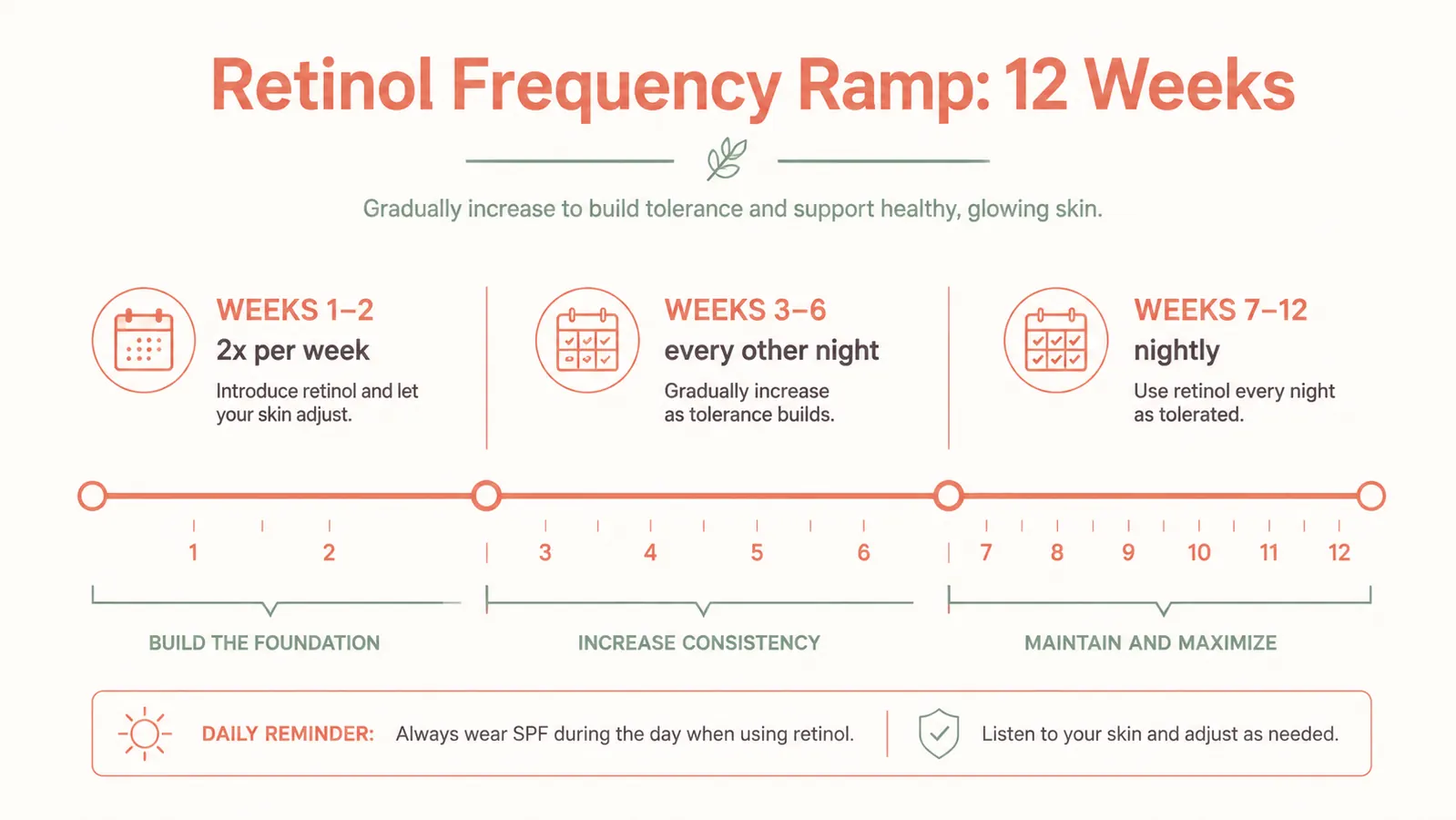
I started on a Thursday night, which I always recommend to clients because any initial dryness or flaking shows up over the weekend rather than before a work meeting. My protocol for the first two weeks was two applications per week, always at night, applied after my CeraVe Hydrating Cleanser and before my moisturizer. No vitamin C on retinol nights. No exfoliating acids within 48 hours. One pump of serum pressed gently onto my face, avoiding the very edge of my nostrils and the corners of my mouth.
Weeks three through six I moved to every other night. By week four I had some dry patches along my forehead, which I handled by applying a pea-sized amount of the CeraVe Moisturizing Cream over the serum before bed. That buffering trick kept the dryness manageable without abandoning the routine. By week six, my skin had settled. By week seven I was using it nightly and my skin was taking it fine. I did not experience a purge, though I want to be honest that some people do, particularly those with congested or acne-prone skin. If you break out in weeks two or three, do not assume the serum is wrong for you. Give it four to six weeks before drawing any conclusions.
Mornings after every application I wore SPF 50. That is not optional when you are using retinol. The ingredient increases photosensitivity and any sun exposure on top of that will undermine the work the retinol is doing on pigmentation. I used the EltaMD UV Daily most mornings. If you skip sunscreen on retinol days, you will cancel out a lot of the benefit. I also want to flag that retinol and exfoliating acids, like glycolic or lactic acid, should not be used on the same night. Alternating nights is fine but stacking them in a single session is a recipe for irritation, especially while you are still building tolerance.
What Is Actually in This Serum
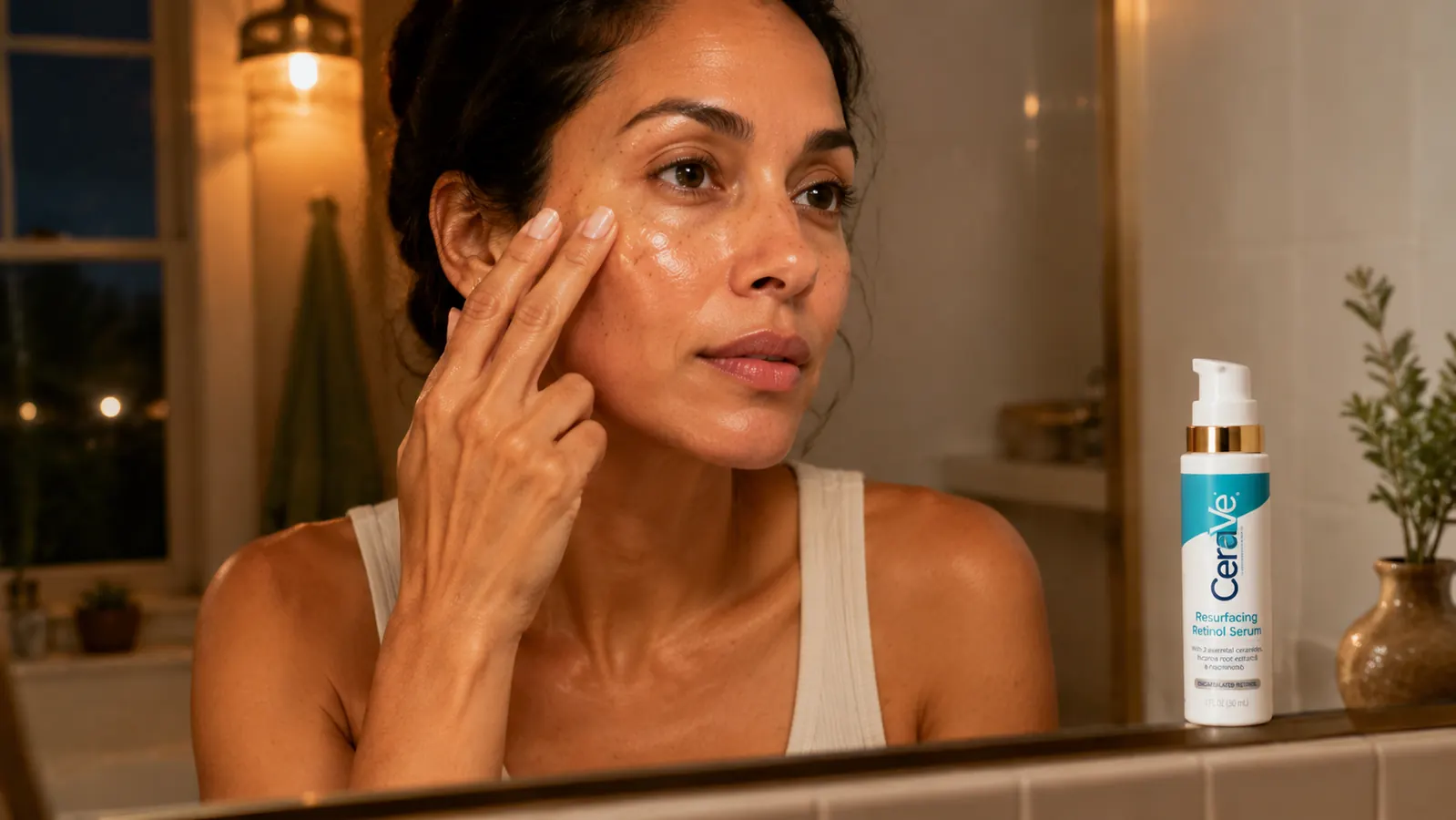
The full name is CeraVe Resurfacing Retinol Serum, and the name does a decent job of telling you what it is for. The retinol is encapsulated, which means it is surrounded by a protective outer shell that releases gradually rather than hitting your skin all at once. For someone new to retinol, encapsulated forms tend to be better tolerated than straight retinol. You trade a small amount of potency for a significant reduction in irritation, which for most people is a worthwhile deal.
The supporting cast matters a lot here. Niacinamide at an estimated four percent concentration pulls double duty: it reduces the appearance of pores and brightens hyperpigmentation independently of the retinol, so the two ingredients are working on the same goal from different angles. Licorice root extract adds a third brightening pathway, focusing on inhibiting excess melanin production in those lingering post-breakout spots. Then there are the three ceramides: ceramide NP, ceramide AP, and ceramide EOP. These are identical to what your skin barrier is naturally made of, and they are here to make sure the retinol does not strip your barrier down while doing its resurfacing work. That is the design logic, and in practice it holds up. My barrier felt noticeably more stable on this serum than it did on a pure retinol formula I tried at a higher concentration two years ago.
Results Over Time: What I Noticed and When
At four weeks I noticed two things. First, my skin texture was smoother when I ran my fingers across my cheeks in the morning. Not dramatically different, but the slightly rough, uneven feeling I had gotten used to was lessening. Second, the post-acne marks on my jawline had not changed much yet. That is normal. Retinol works by accelerating cellular turnover, and at low-frequency use in the first month, you are still building tolerance rather than driving full results.
By eight weeks, which is when I had been using it every other night for a month, the marks had visibly faded. Not gone, but noticeably lighter. Two of the darker spots that had been sitting on my jawline since January had softened from a distinct reddish-brown to a faint tan. My skin tone overall looked more even. A colleague who had not seen me in a few weeks asked if I had changed my foundation. I had not. The skin underneath had just gotten better.
At twelve weeks, with about five weeks of nightly use under my belt, the results were the most noticeable. The texture improvement was real and consistent. The jawline marks were probably sixty to seventy percent lighter than they had been at the start. A few had cleared almost entirely. Pores along my nose looked smaller, which I credit largely to the niacinamide. None of this happened overnight. This is a gradual serum, not an aggressive one, and that is exactly what makes it appropriate for daily home use without dermatologist supervision.
Something I want to be transparent about: I took phone photos in the same bathroom light at weeks zero, four, eight, and twelve. The week eight and week twelve photos show a clear difference. I am not someone who photographs well in unflattering bathroom light, so if my phone camera could catch it, the change was real. If you want to track your own progress honestly, take baseline photos right now before you open the bottle, and take them in the same light every time. The difference will be gradual enough that you will not notice it day to day, but comparing week zero to week twelve is genuinely motivating.
By week eight, two of the darker spots on my jawline had softened from a distinct reddish-brown to a faint tan. A colleague asked if I had changed my foundation. I had not.
Texture, Formula, and Everyday Usability
The serum has a lightweight, slightly gel-like consistency. It absorbs quickly and does not leave a greasy film, which matters if you are layering it under a moisturizer and then going to sleep. There is a faint, clean scent that dissipates within a minute of application. Not fragrance-heavy, not irritating. The pump dispenses a controlled amount and I use one pump per full face application, which is the right amount. There is no reason to use more.
One thing I appreciate about this formula specifically is that it plays well with other CeraVe products. If you are already using the CeraVe Hydrating Cleanser or the Moisturizing Cream, this serum slots into that ecosystem without any compatibility issues. I have layered it under the Moisturizing Cream, under a hyaluronic acid serum plus moisturizer, and directly under my SPF (on nights when I was too tired for a full routine) and it has not caused any pilling or irritation in any of those combinations.
The bottle itself is about 1 fluid ounce (30 ml). At one pump per night, that lasted me roughly two months of nightly use, which means the cost per use is extremely low. I bought two bottles during a sale and the second one stored fine in a bathroom drawer for about six weeks before I opened it.
The Tradeoffs: Where This Serum Has Limits
This is not a high-strength retinol. If you have been using retinol for two or more years and your skin is fully tolerant, you will probably find the concentration here too mild to drive significant new results. You need a higher percentage, a prescription retinoid like tretinoin, or something like adapalene gel. The CeraVe serum is built for beginners and for people who want consistent maintenance use without the irritation risk of stronger options.
It is also not a wrinkle treatment in the traditional sense. The retinol concentration is low enough that the collagen-stimulating effects, which require consistent high-dose retinoid exposure over long periods, are going to be modest. What it excels at is surface-level resurfacing: texture, pores, post-acne marks, and general evenness. For those goals at this price, there is very little competition.
Lastly, the pump packaging, while convenient for dispensing, does not protect the retinol from oxidation as well as an opaque airless pump would. Retinol degrades when exposed to light and air. I kept my bottle in a drawer rather than on an open shelf, and I used the product within about four months of opening, which is where I would draw the line for most retinol products regardless of packaging. If you buy two at once, store the second one away from light until you open it.
What I Liked
- Encapsulated retinol reduces irritation significantly compared to un-encapsulated formulas at similar concentrations
- Niacinamide and licorice root both contribute independently to fading post-acne hyperpigmentation
- Three ceramides support the skin barrier during the adjustment period, reducing flaking and sensitivity
- Lightweight texture layers cleanly under moisturizer with no pilling
- One of the most affordable retinol serums available with a proven track record and over 55,000 Amazon reviews
- Fragrance-free and well-tolerated by sensitive and combination skin types
Where It Falls Short
- Retinol concentration is mild, so experienced retinol users will likely find it too weak for continued progress
- Results take a genuine 8 to 12 weeks to become visible, which requires patience and consistency
- Pump packaging does not fully protect retinol from oxidation over time
- A small percentage of users will experience a purging period in weeks two through four
- Does not address deeper wrinkles or severe acne scarring, only surface-level pigmentation and texture

Who This Is For
This serum is the right fit for someone who has never used retinol before and wants to introduce it without the risk of burning, peeling, or a weeks-long adjustment that keeps them out of sunlight. It is also a smart fit for anyone whose primary concern is post-acne hyperpigmentation: those stubborn flat brown or red marks that sit on your skin for months after a breakout has healed. The combination of retinol, niacinamide, and licorice root creates a three-pronged brightening approach that I have seen outperform single-ingredient brightening serums on this specific concern. If you have oily or combination skin, this formula feels especially comfortable. If you have dry skin, you will want to be diligent about moisturizer on top. Budget-conscious shoppers will also appreciate that the formula punches well above its price class. I have used serums that cost four times as much and did not deliver noticeably better results for post-acne marks at the eight-week mark.
Who Should Skip It
If you are pregnant or nursing, skip all retinol products and ask your OB or midwife about alternatives. That is not negotiable. If you have active, inflamed acne covering large portions of your face, treat the active acne first before starting a retinol routine. If you are an experienced retinol user looking to step up your results, look at adapalene or tretinoin. For a deeper look at how this serum compares to adapalene specifically, I covered that in my comparison of the CeraVe Retinol Serum versus Differin Gel. And if you want more detail on the adjustment process, my guide on how to start retinol without irritation walks through the full ramp protocol with specific tips for sensitive and dry skin types. If you want to understand exactly how retinol helps fade post-acne marks at the cellular level, the piece on 10 ways retinol serum fades acne marks is worth a read before you commit.
Three months in, this is still in my nightly rotation, and I would repurchase it without hesitation.
The CeraVe Resurfacing Retinol Serum is one of the few drugstore actives I recommend without caveats to clients who are new to retinol. It is available on Amazon and ships fast. Check current pricing before you buy, as it occasionally goes on sale.
Amazon Check Today's Price on Amazon →