

This is the story of how EltaMD UV Daily SPF 40 ended eleven months of me skipping sunscreen entirely. It was a long weekend in Asbury Park. June, two summers ago. I was there with four friends, the kind of trip where someone always has snacks and someone always forgets the charger. I was the one who forgot sunscreen. Not the travel bottle. All of it. I told myself it was cloudy when we left and I could grab some at the gas station. I never did.
By Sunday afternoon my face felt hot and my shoulders were pink. I took an ibuprofen, slept it off, told myself it wasn't that bad. That was how I always thought about sunburns: temporary damage with a temporary cost.
Three months later I was standing in my bathroom on a Tuesday morning, the light hitting my face at an angle it rarely does, and I noticed something above my upper lip that hadn't been there before. A patch of darker skin, maybe an inch and a half wide, faintly brown against the rest of my face. I leaned closer. My first thought was that I'd smudged something. I hadn't. I sent a photo to my dermatologist and she called it in thirty seconds: melasma, almost certainly triggered by that June sun exposure, and the fact that I'd been skipping SPF consistently for nearly two years.
I want to be clear about something. I'm a licensed esthetician. I tell clients to wear sunscreen every day, in winter, indoors near windows. I know the UV index doesn't care whether you planned to be outside. I just wasn't doing it myself. Every sunscreen I'd tried had landed wrong. Drugstore formulas left a grey cast on my medium skin. Early mineral SPFs sat on top of my face like chalk. Chemical options either broke me out or balled up under my foundation within an hour. I had filed sunscreen into the category of things I believed in but couldn't make work.
After that appointment I went back to trying. Two drugstore picks that week. Both pilled under my concealer. I mentioned it to my derm at a follow-up and she reached behind the front desk and handed me a sample of EltaMD UV Daily. She said it was the SPF she recommended most to patients with combination skin who had given up on making it work. I told her I was skeptical. She shrugged and said just try it for a week.
I told her I was skeptical. She shrugged and said just try it for a week. That was eleven months ago and the bottle on my counter is my fourth.
That was eleven months ago. The first morning I used EltaMD UV Daily, I stood in my bathroom waiting for the familiar problems: the tackiness, the white cast, the feeling that my face was wearing a separate layer on top of itself. None of them came. The zinc oxide formula absorbs within about forty seconds and leaves skin looking like skin, just slightly more even. I went in with foundation expecting to find it balled up by the time I reached the subway. It hadn't moved.
One week turned into a month. The melasma hasn't disappeared, and my derm is honest that it probably won't without prescription treatment. But it stopped progressing. My skin stayed clear across all eleven months, which I don't take for granted. Combination skin that breaks out under the wrong products reliably, and this one just never triggered anything. It's the last step in my morning routine now and the one I feel most certain about.
I've become that person. The friend who texts everyone a link after they mention skipping SPF. My friend Kira calls me a sunscreen evangelist. I'm fine with it.
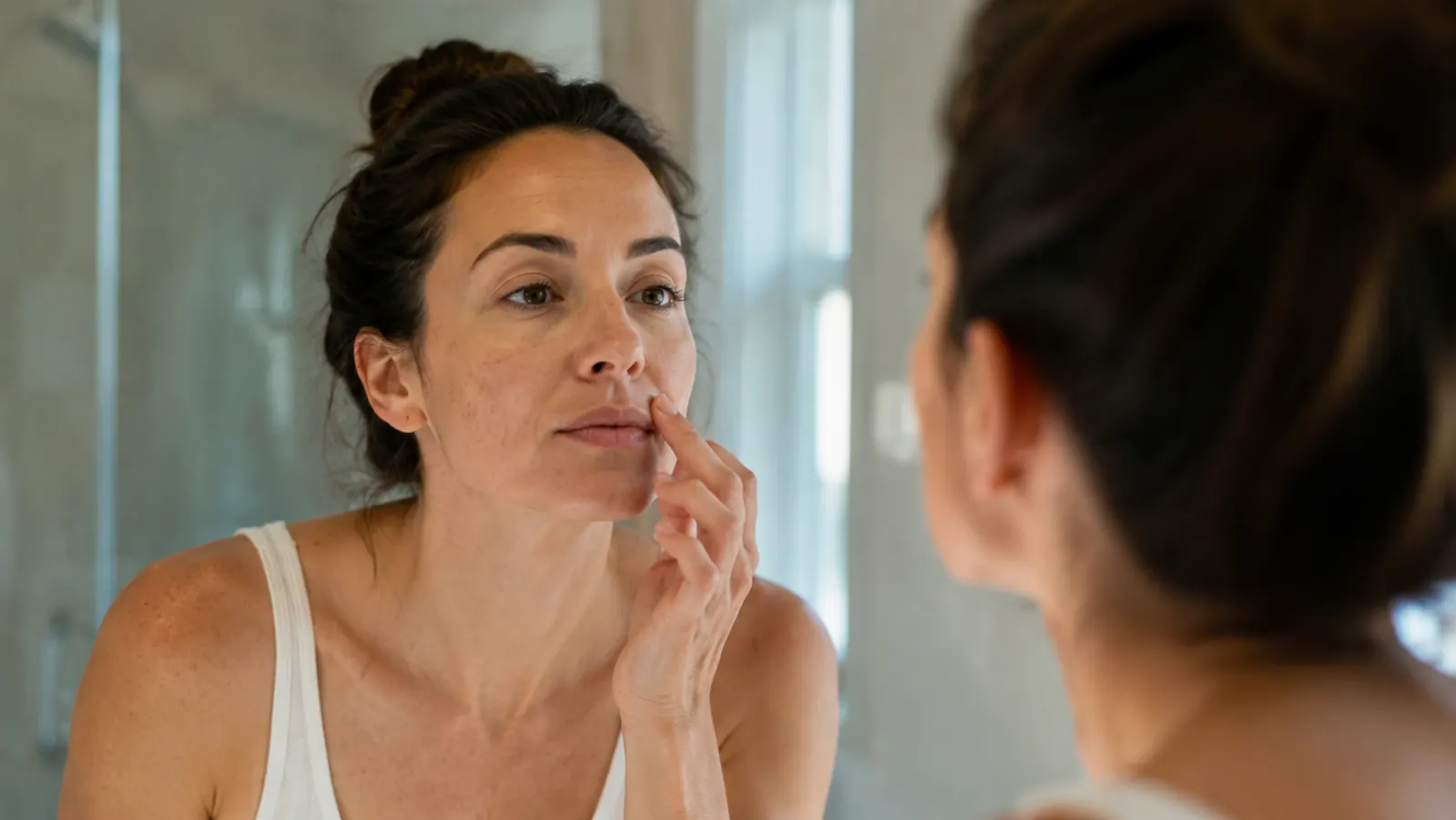
Why This One Works When Others Don't
UV Daily is built around skin compatibility first. It has hyaluronic acid in the base, so it behaves more like a moisturizing last step than a traditional SPF layer. It uses micronized zinc oxide that disappears on medium skin without ghosting. No fragrance, no parabens, none of the chemical filters that had been causing my breakouts and pilling. My combination skin responds well to formulas that don't fight it, and this one doesn't. It is more expensive than the drugstore options. I want to be honest about that. But I also know what I spent on a follow-up appointment and a topical prescription to manage the melasma, and that comparison has made me less conflicted about the current price.
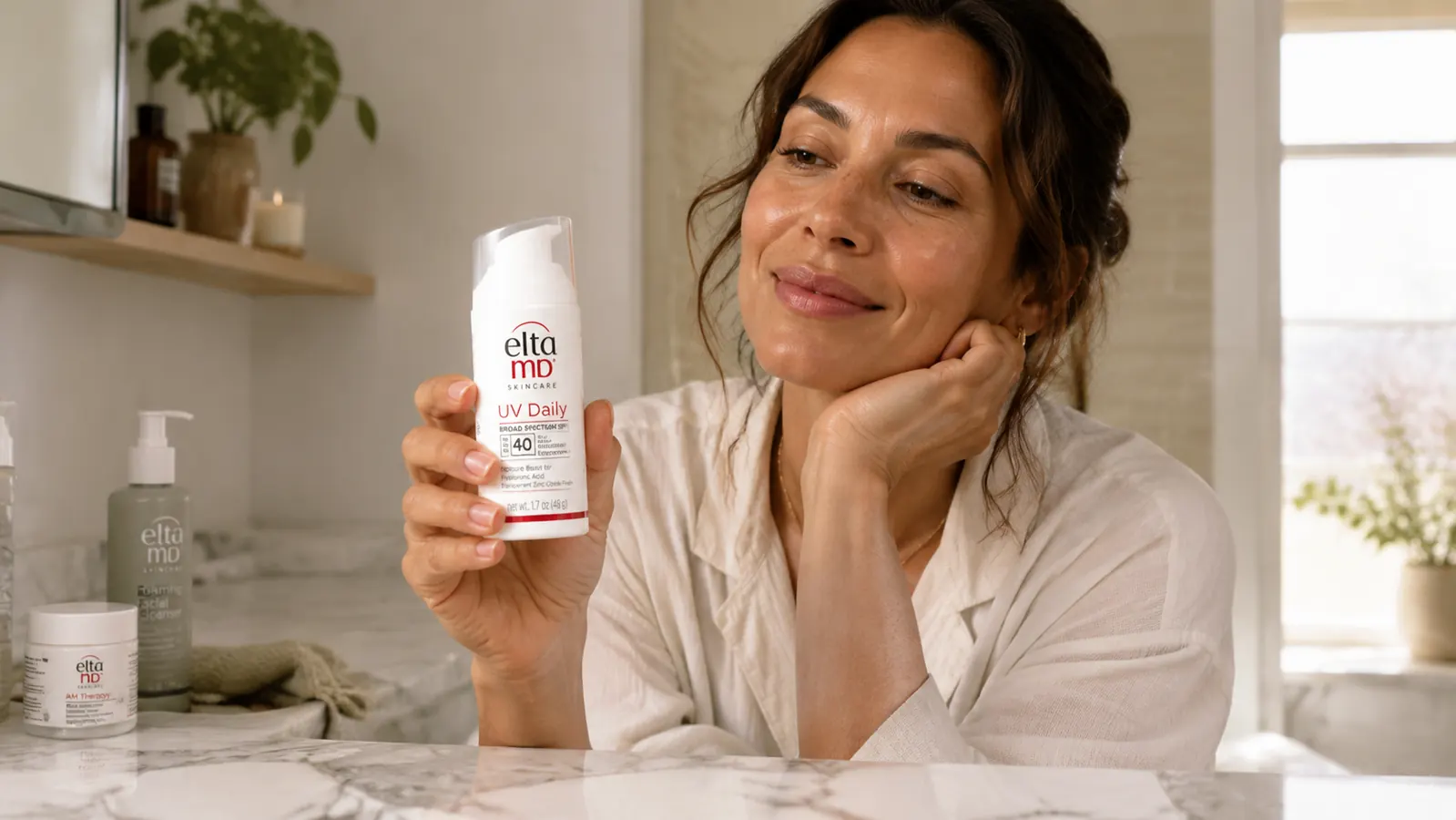
A Quick Note on Skin Types
I'm combination with an oily T-zone and drier cheeks. UV Daily has worked well for me. A client with dry skin uses it as her only morning moisturizer in the summer. A client with very oily skin finds it sits a little rich by noon and prefers EltaMD's Clear formula instead. If your skin is very oily, that is worth knowing. For combination, normal, or dry skin, this is the easiest daily SPF I've found. It goes on, doesn't cause problems, and actually works.
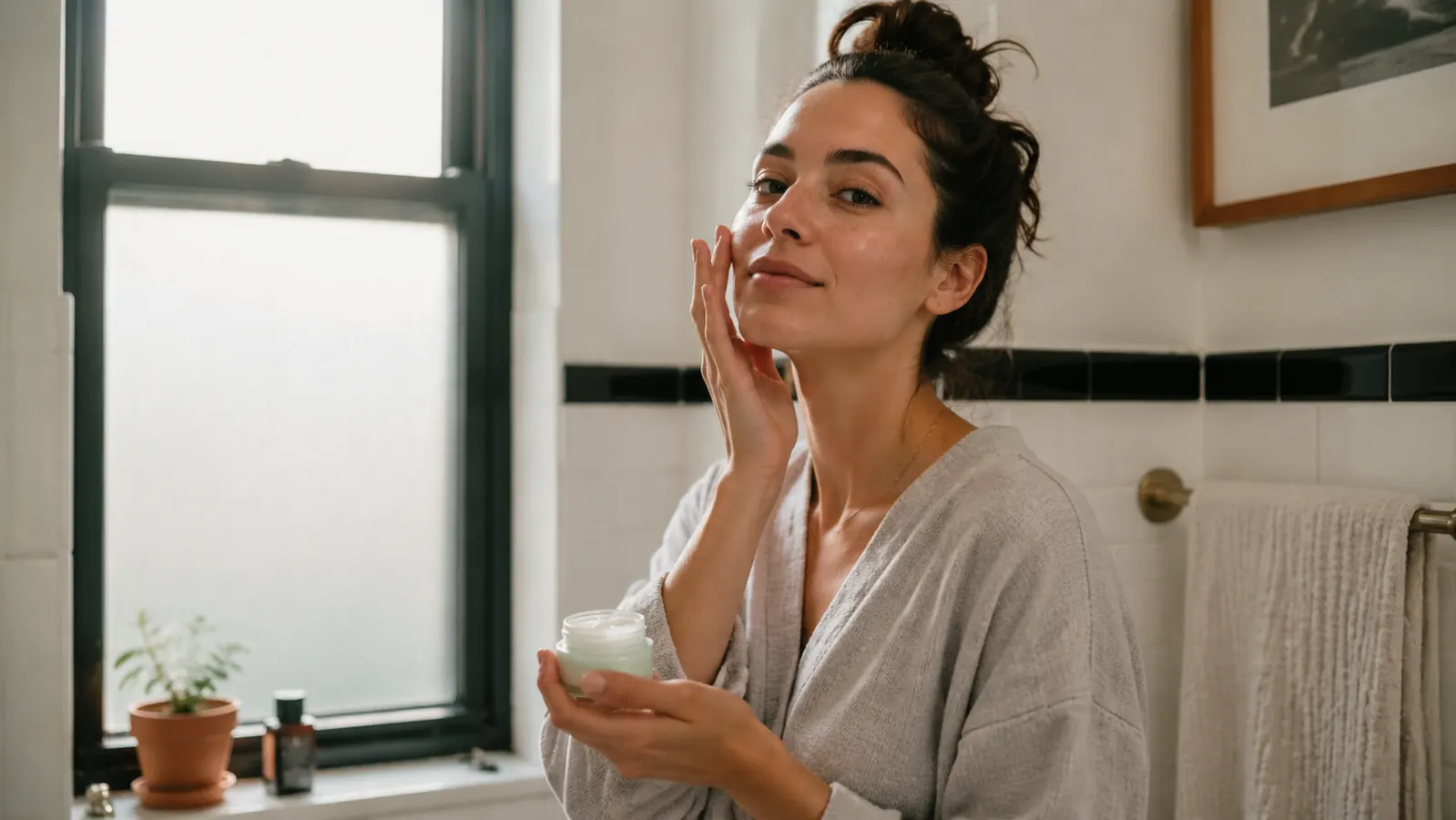
What I'd Tell You If We Were Sitting at My Kitchen Table
Sunscreen won't fix your skin. It won't fix anything. What it will do, used consistently, is stop some of the damage that gets harder to reverse later. The melasma on my upper lip is the thing I carry around now from two unprotected days at the beach. I don't say that to scare you. I say it because I was someone who knew better and still skipped it, and it took something visible and permanent to change my behavior. If you've been putting off finding a formula that actually works, I'd rather you learn from my weekend than from one of your own. Try one bottle. That's all my dermatologist asked of me.
The formula that finally made daily SPF feel effortless for combination and normal skin.
EltaMD UV Daily SPF 40 uses micronized zinc oxide in a lightweight hyaluronic acid base. No white cast, no pilling, no breakouts. Rated 4.6 stars across more than 43,000 reviews. If drugstore sunscreens have let you down, this is worth one honest week.
Amazon Check Today's Price on Amazon →